





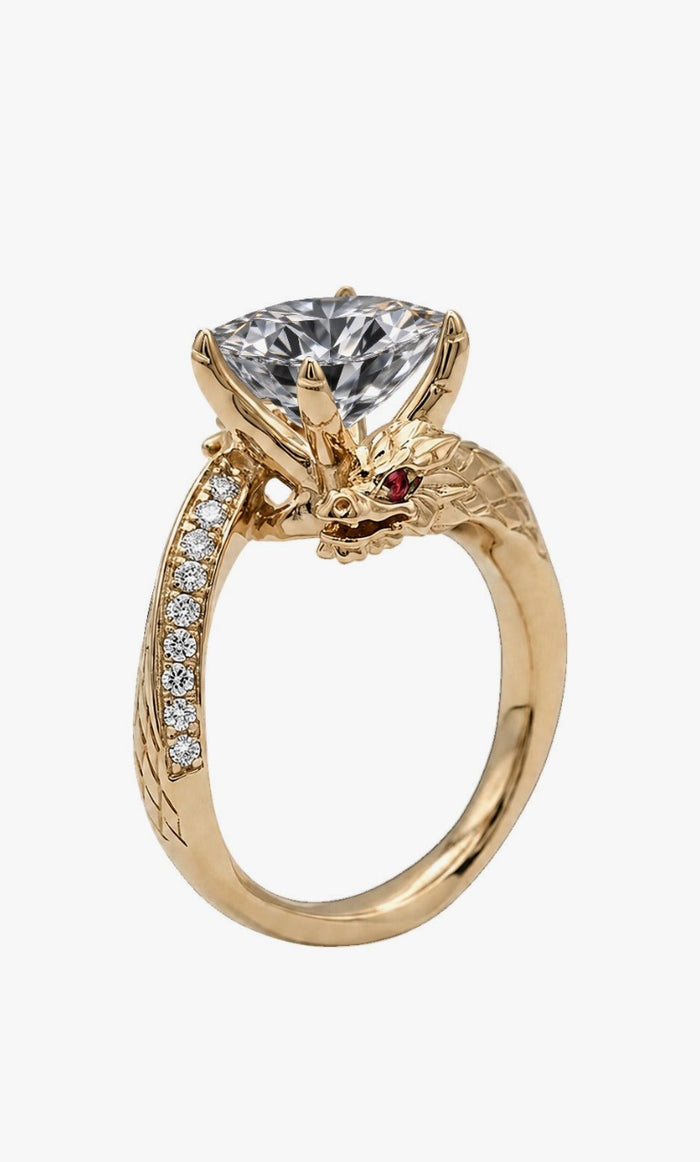
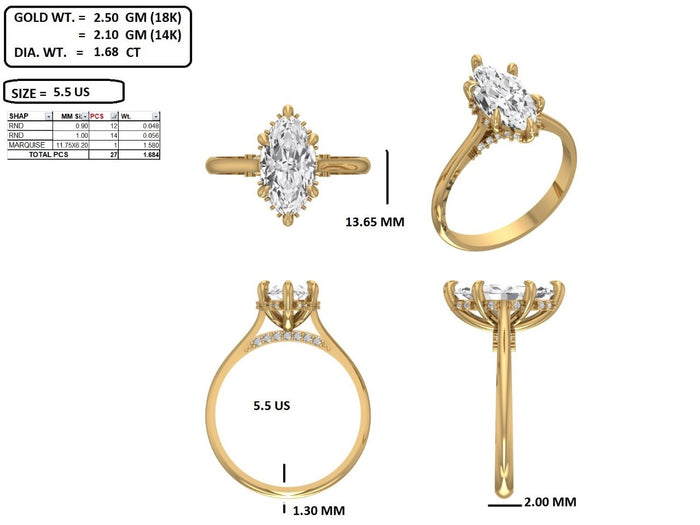
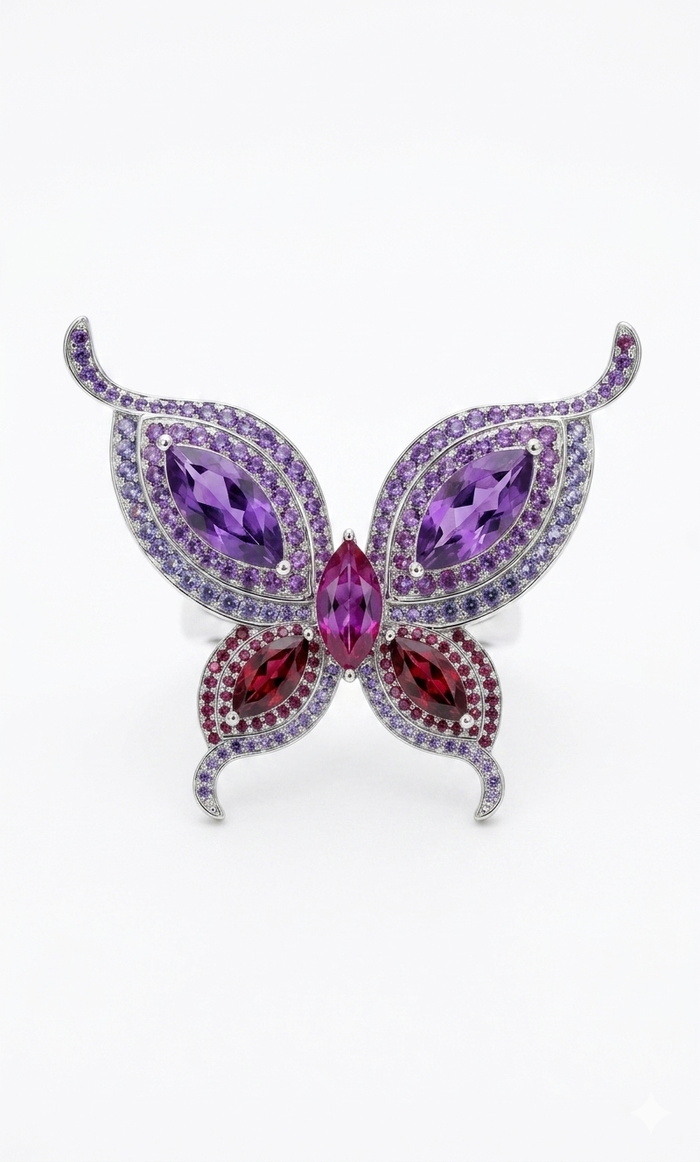

In Korea, a lot of people get their first piece of jewelry before they can walk. It is a tiny ring of pure gold, pressed into a baby's hand at their first-birthday party, and in most families it gets tucked into a drawer and kept for decades.
Our family studio started in Korea in 1994 as 행복귀금속 (Happy Jewelers), so this ring culture is part of how we think about jewelry. Here is a quick tour of how rings move through a Korean life, from the first birthday to the hundred-day mark to marriage, and what those traditions taught us about making rings that last.
Gold at one: the 돌반지 (dol ring)
A baby's first birthday, the doljanchi, is a big celebration. The star moment is the doljabi: the baby is set in front of a table of objects and whatever they grab first is said to hint at their future. A brush or book points to scholarship, money and rice to wealth, thread or noodles to a long life. Modern families add a stethoscope, a microphone or a computer mouse to the lineup (overview here).
Then come the guests, and many bring a 돌반지 (dolbanji): a small solid gold ring, often weighed in don, the traditional Korean gold unit of 3.75 grams. It is less about wearing and more about keeping. The ring is a little savings account and a blessing in one, handed to a person who will not remember receiving it.
That savings part has become headline news. Asia Economy reported this September that one don of pure gold, about 200,000 won ten years ago, was listed at 869,000 won by the Korea Gold Exchange in late July 2026, a roughly 4.5x rise. Parents are now debating whether to give back "the same gold" they received or the same amount of money (the full story). It is a very Korean problem, and a sweet one: a tradition so sincere that people argue about how to honor it fairly.

Rings at 100 days: the couple ring
Fast forward twenty years. Korean couples love a milestone, and the big early one is the 100th day of dating. That is often when the 커플링 (couple ring) shows up: a matching pair worn on the same finger by both people.
A couple ring is not a proposal. As the Korea JoongAng Daily put it, the custom is "entirely casual," a celebration of the relationship that also tells everyone you are taken. One Seoul jeweler told the paper that about 98 percent of couples who walk into his shop together leave with rings (read it here). (Walk down any jewelry street in Seoul and you will believe it.)
What we love about the couple ring is the idea that two rings can say "us" without being identical in every way. That is exactly what a matching band does best when it is made by hand.
A Korean ring is rarely just an accessory. It is a record: of a birthday, a hundredth day, a wedding. The best ones are made to be kept, not replaced.
Before wedding bands: the 가락지 (garakji)
Go back further, to the Joseon dynasty, and you find the garakji: a matched pair of heavy rings in silver, jade or gold, worn by married women to signify marriage. An unmarried woman wore a single ring, a banji, which is now simply the everyday Korean word for "ring" (background).
So the pair itself carried the meaning. Two rings, one person, one promise. It is a lovely ancestor of the modern bridal stack, and it is the reason we think so much about how an engagement ring and its band sit together on the finger.
Cheat sheet: Korea's ring calendar
- Age one: 돌반지, a small pure-gold ring from family and friends, kept as a keepsake
- Day 100 of dating: 커플링, matching rings worn by both partners
- Marriage, Joseon style: 가락지, a paired set worn together by a married woman
- Marriage, today: engagement ring plus wedding bands, often in a matching set
What this means at our bench
Growing up around these traditions changes how you build. A ring that is meant to be kept for forty years gets a different kind of attention than one meant for a season.
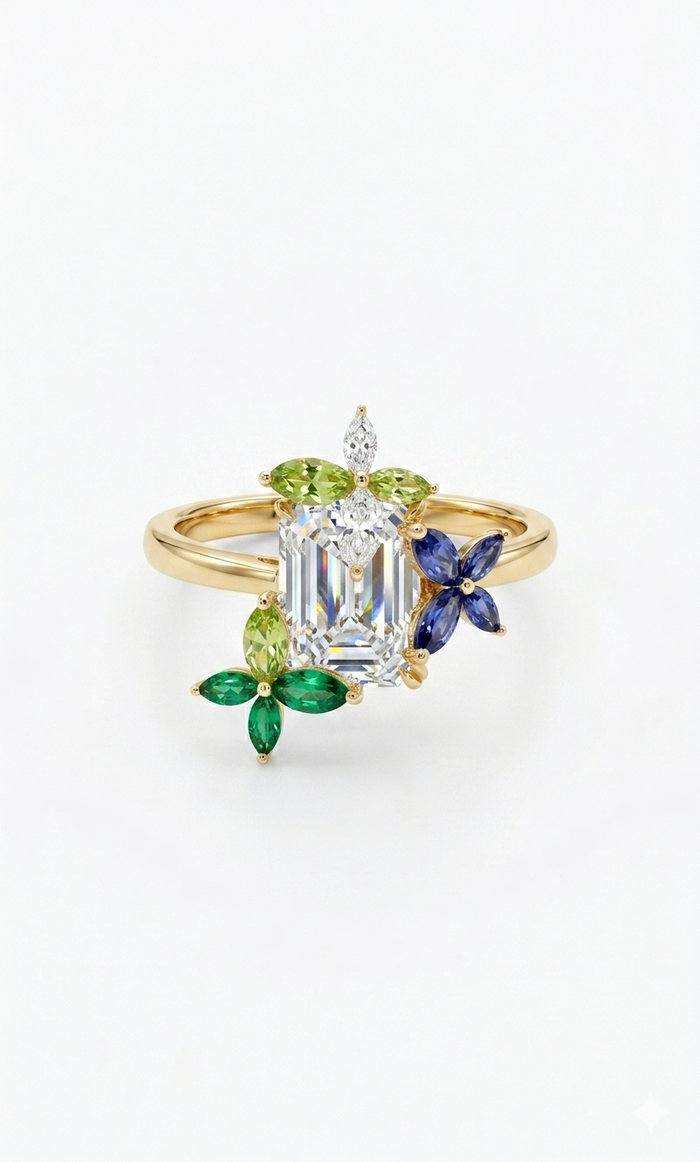
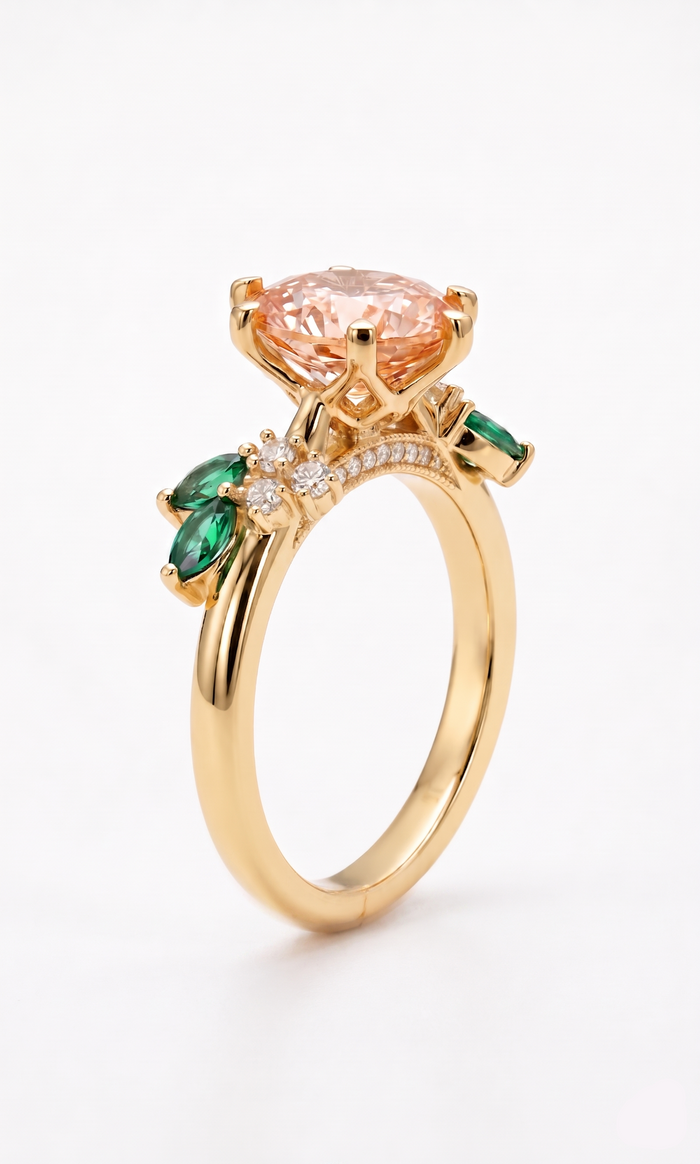
That is why Mr. Lee still hand-engraves at the bench, often six to seven hours on a single piece, and why our floral prongs are shaped one petal at a time. It is also where Stone Inlay® comes from: a hidden birthstone set inside the band, against the skin, that only the wearer knows is there. It is complimentary on our pieces, and it is the closest thing we have to a 돌반지 for grown-ups, a small private blessing tucked inside the gold.

A few ideas we love borrowing from Korea:
- A modern couple ring: two Birthstone Inlay bands, each hiding the other person's stone.
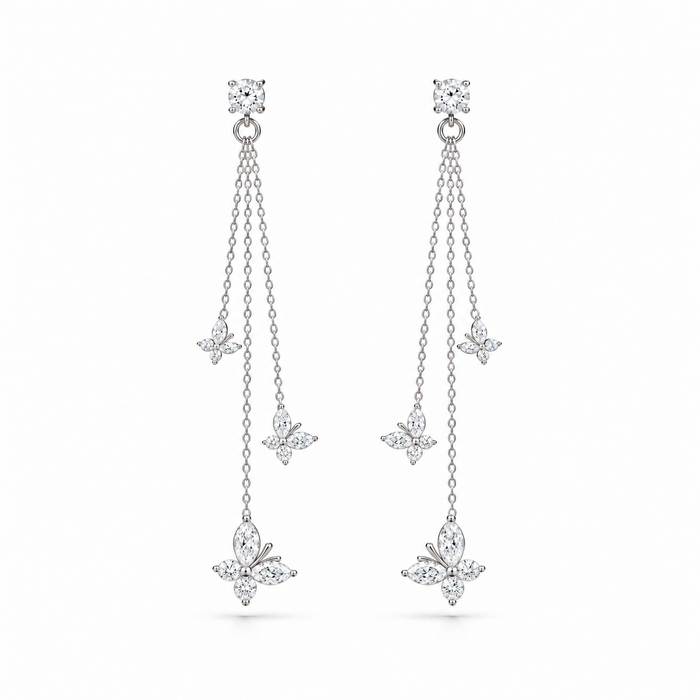
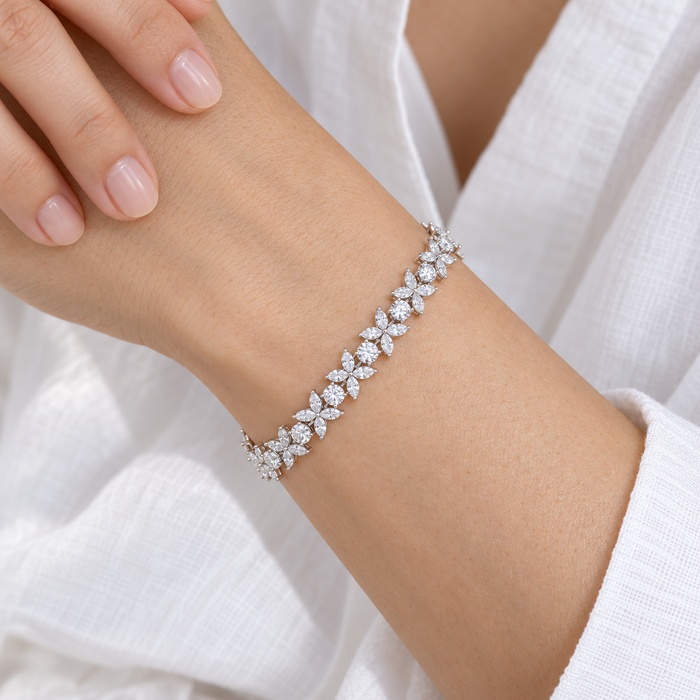
- A garakji-inspired pair: an engagement ring and a band made to sit together as one set, starting from a setting like The Jardin, which Mr. Lee designed after the butterflies in our family's garden in Korea.
- A first-ring keepsake: a simple gold band with a child's birthstone inlaid, set aside for the day it fits.

Make one worth keeping
Whether you are marking a hundred days, a wedding, or a little one's first year, the Korean answer has always been the same: give a ring, and make it something that gets passed down instead of thrown out.
If you have a tradition of your own you would like to turn into a ring, tell us about it. Our family team reads every request, and Mr. Lee loves a story to build around. Start your custom project here, or browse our matching wedding bands for a pair that says "us."