


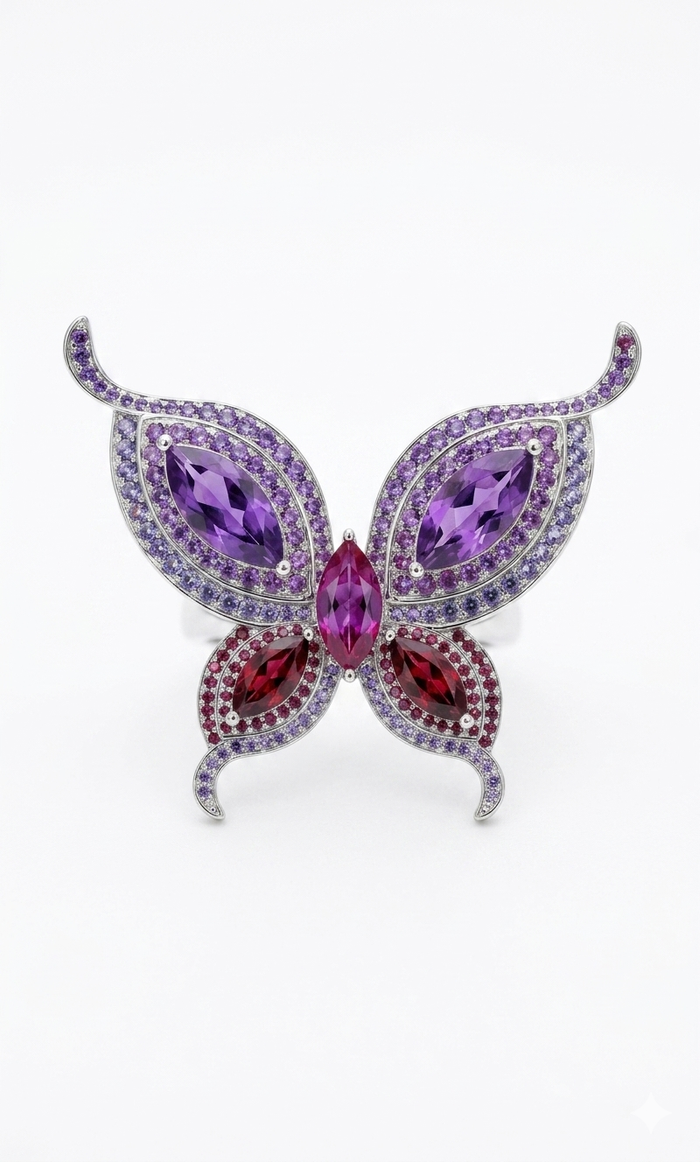
The Emerald Garden
Emerald, cut the way it should be
Lab-grown emerald in the cut it was made for, set by hand at our Atlanta bench.
Colombian or Zambian greenAGL-certifiedMade to order
See it in
Best sellerThe Lotus Lace, pear emerald
Shop the ring
Shop the ring
Most loved
The two everyone asks about
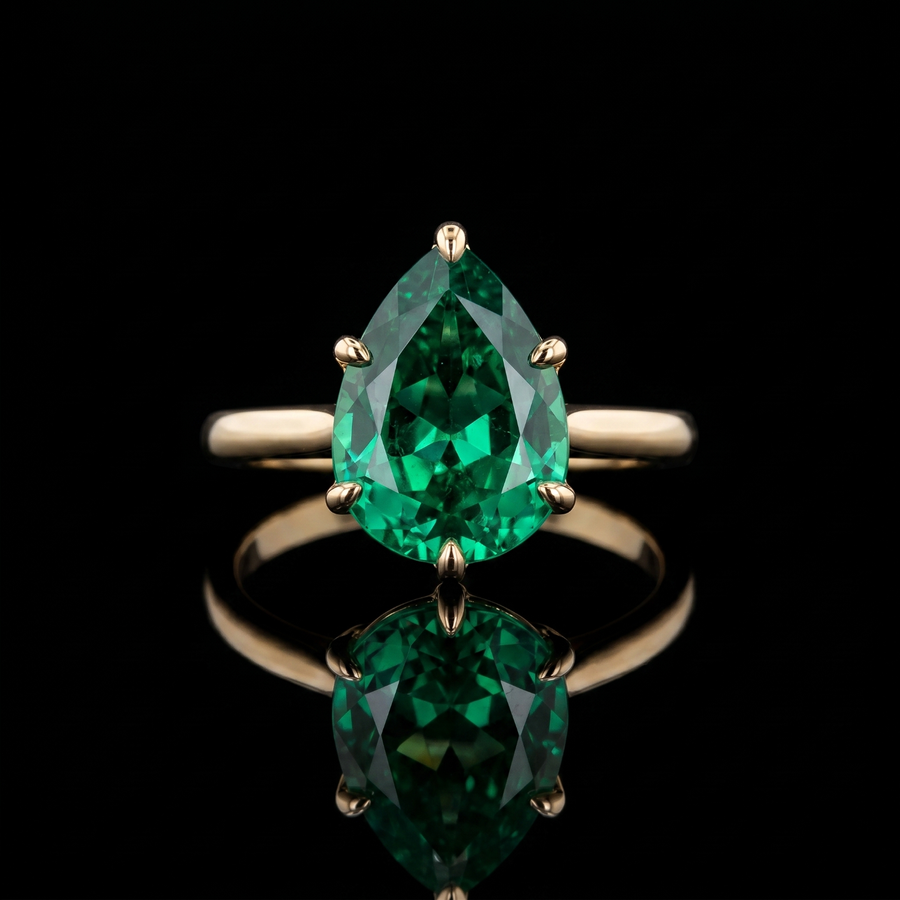
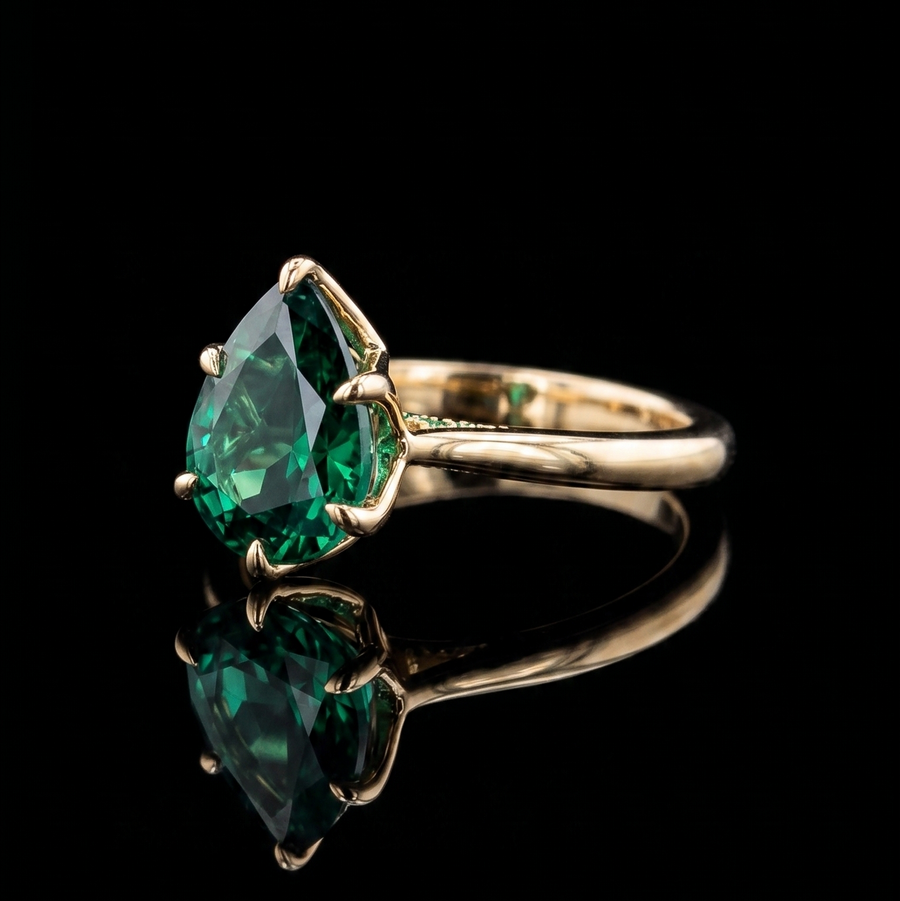
I · Our settings
Our settings, in green
The same designs as our engagement rings, with an emerald at the centre.
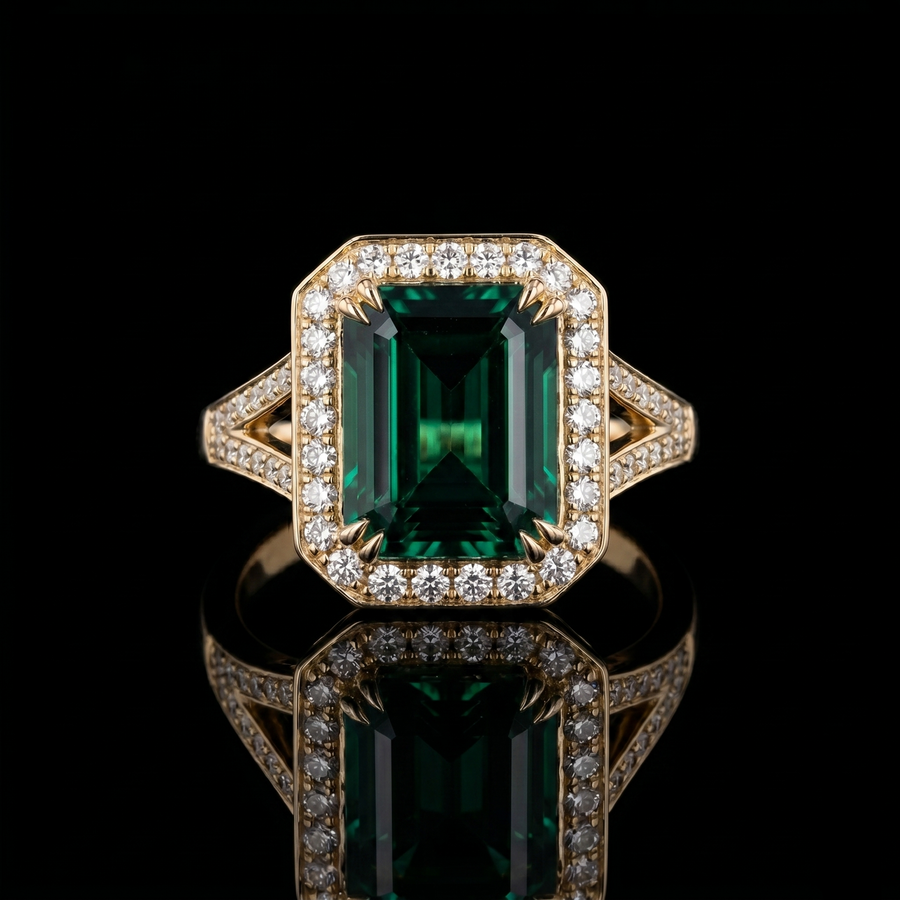
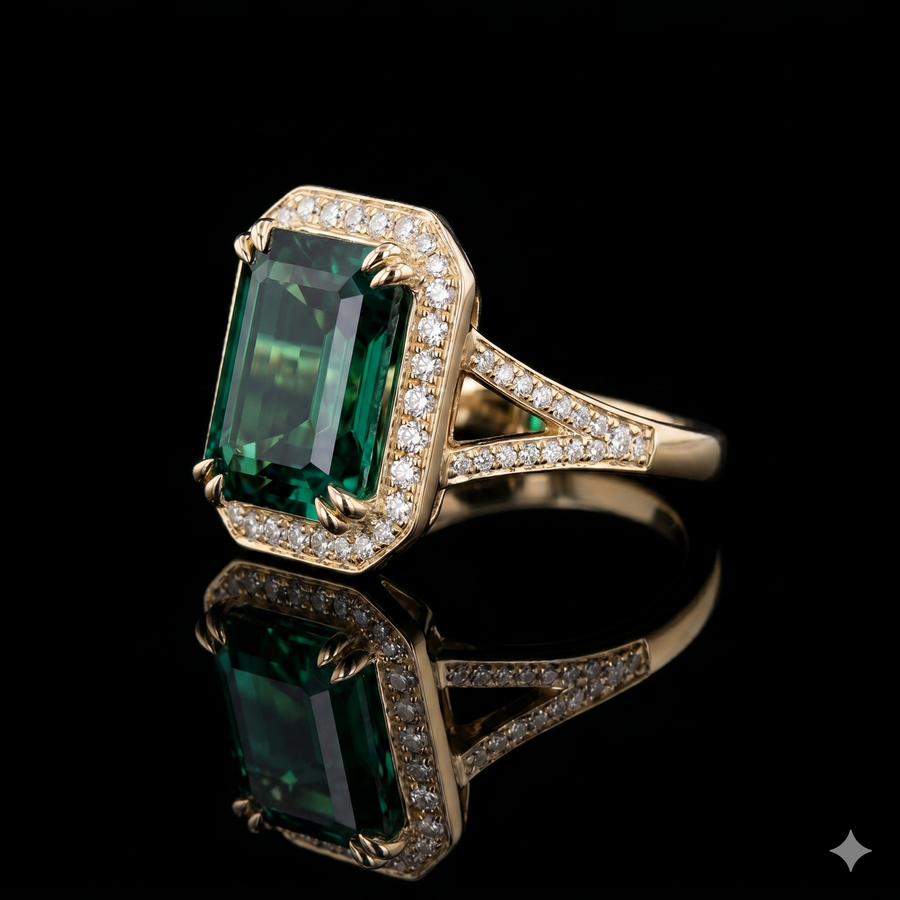
II · Emerald cut
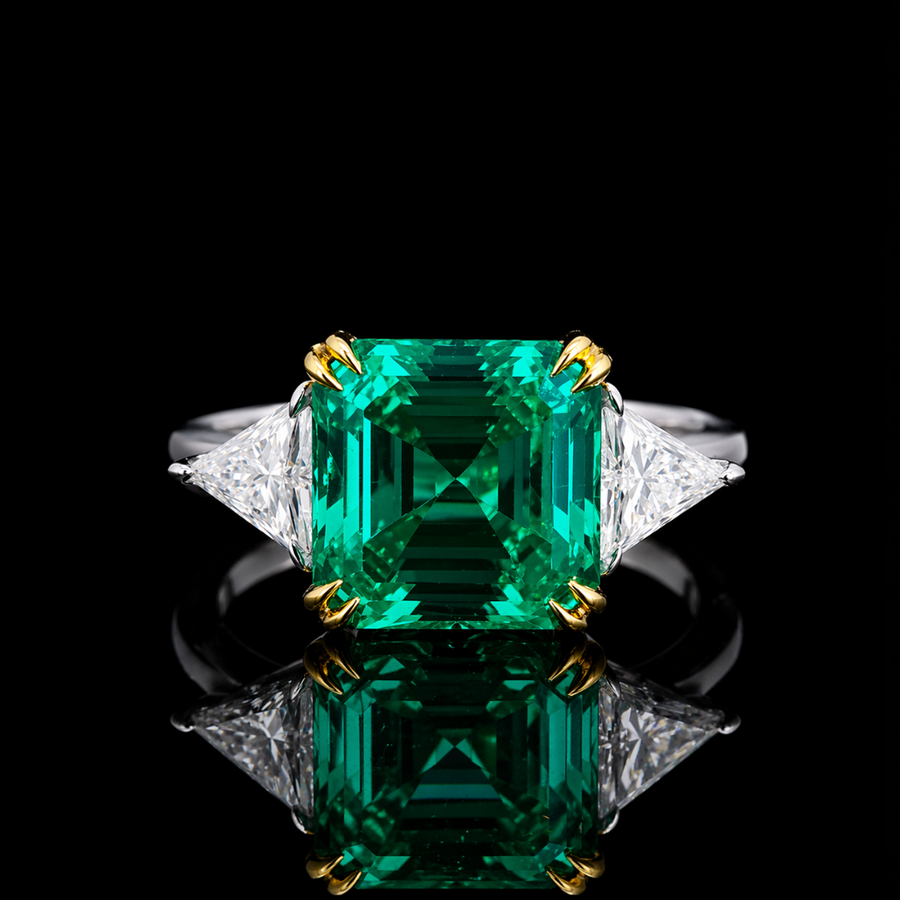
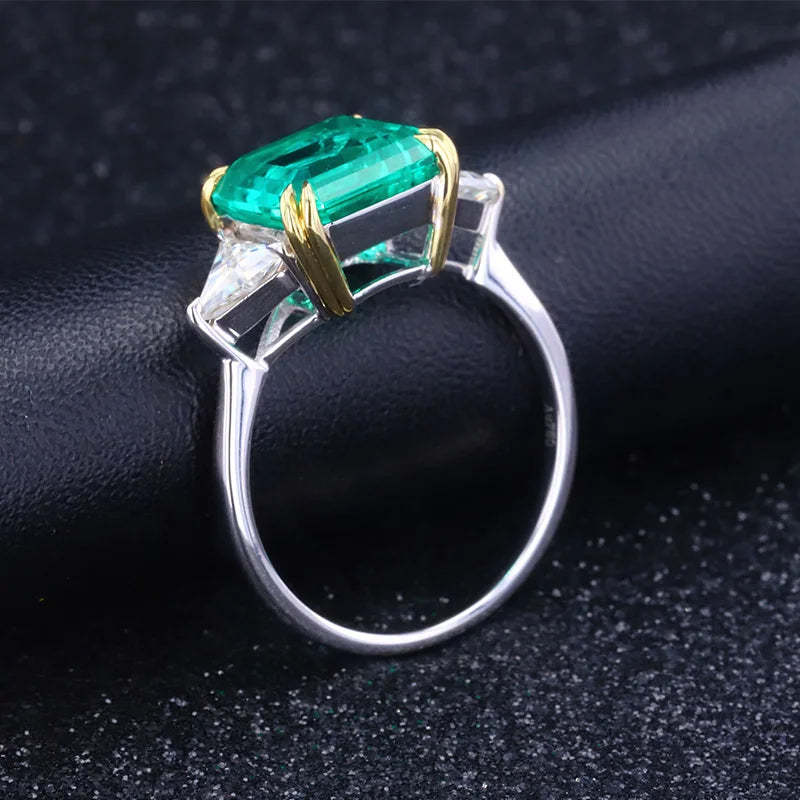
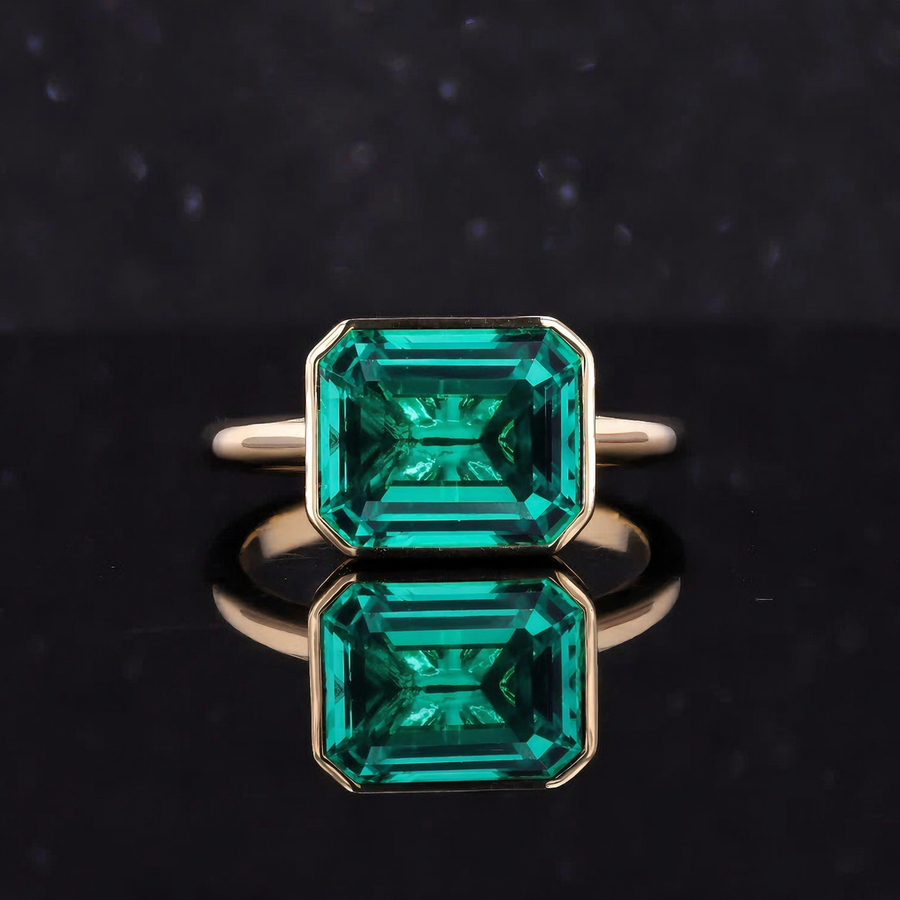
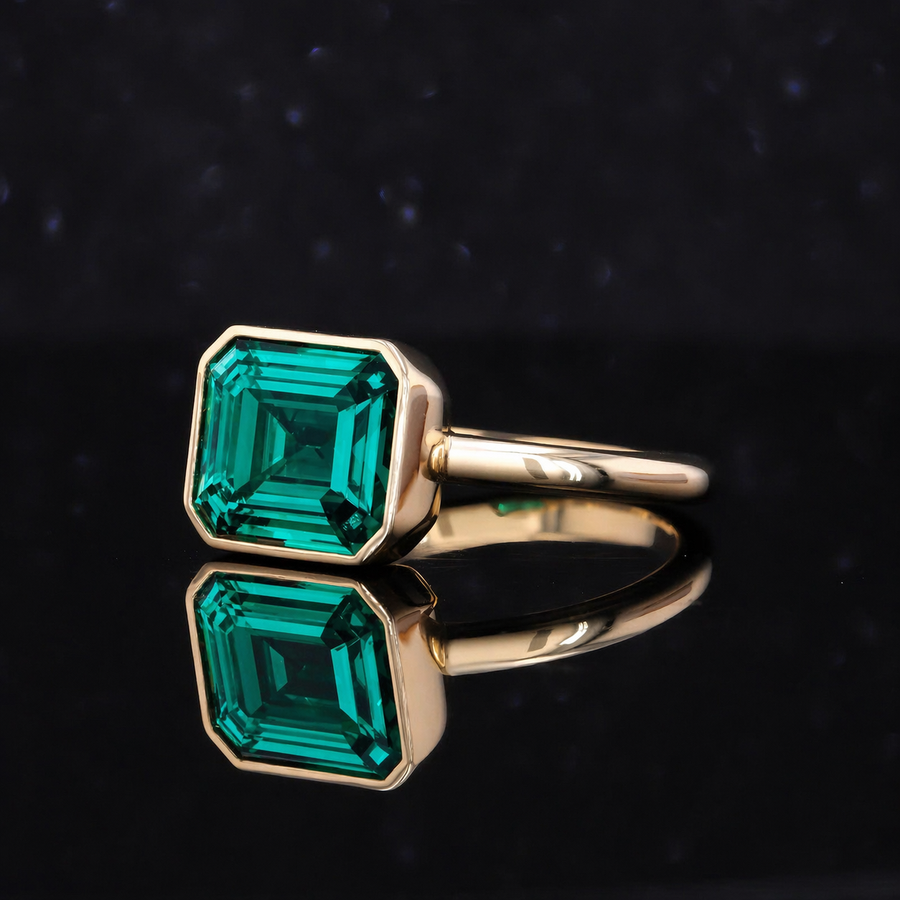
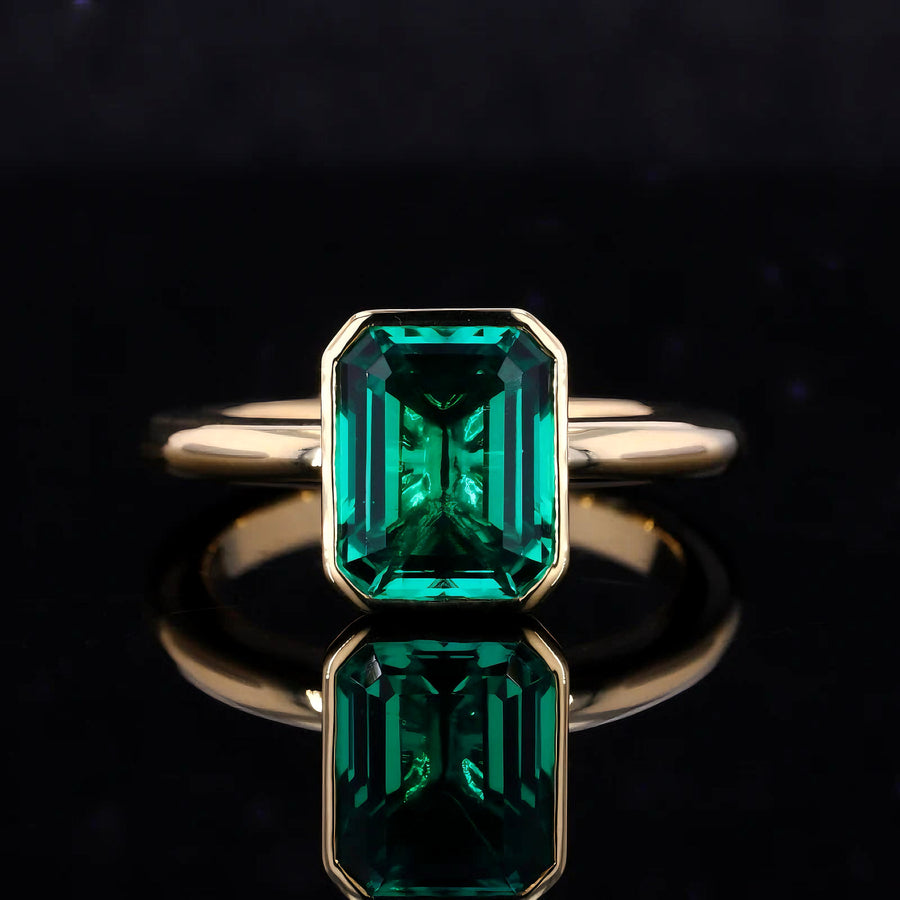
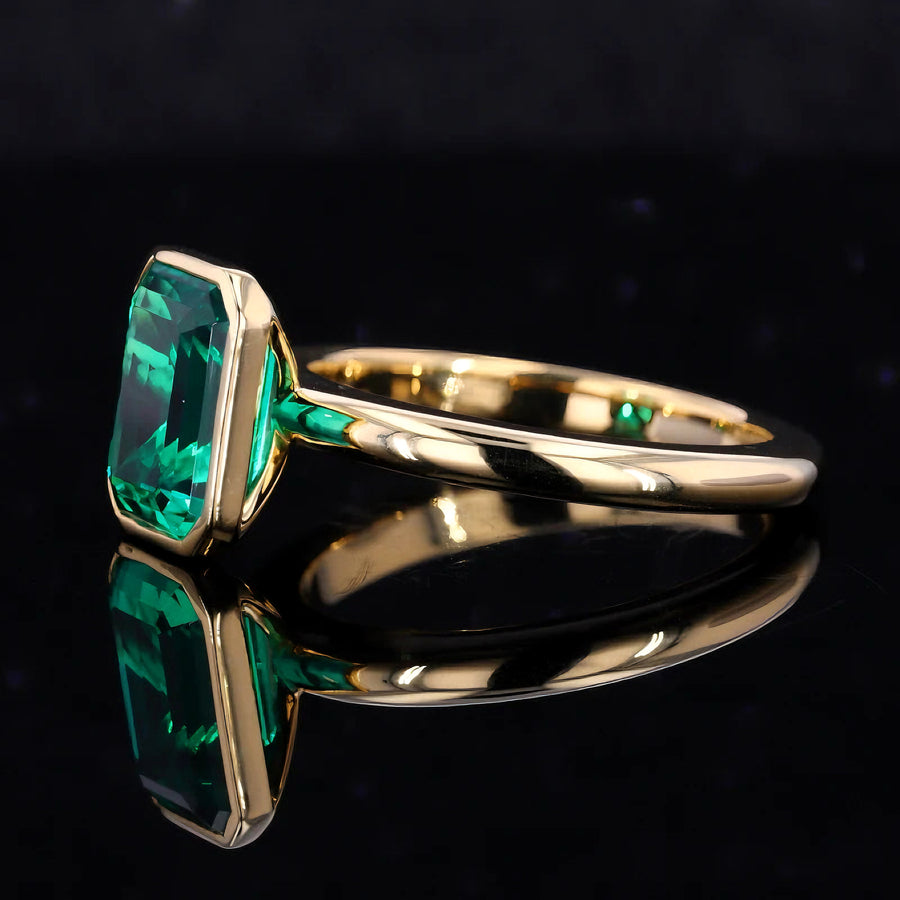
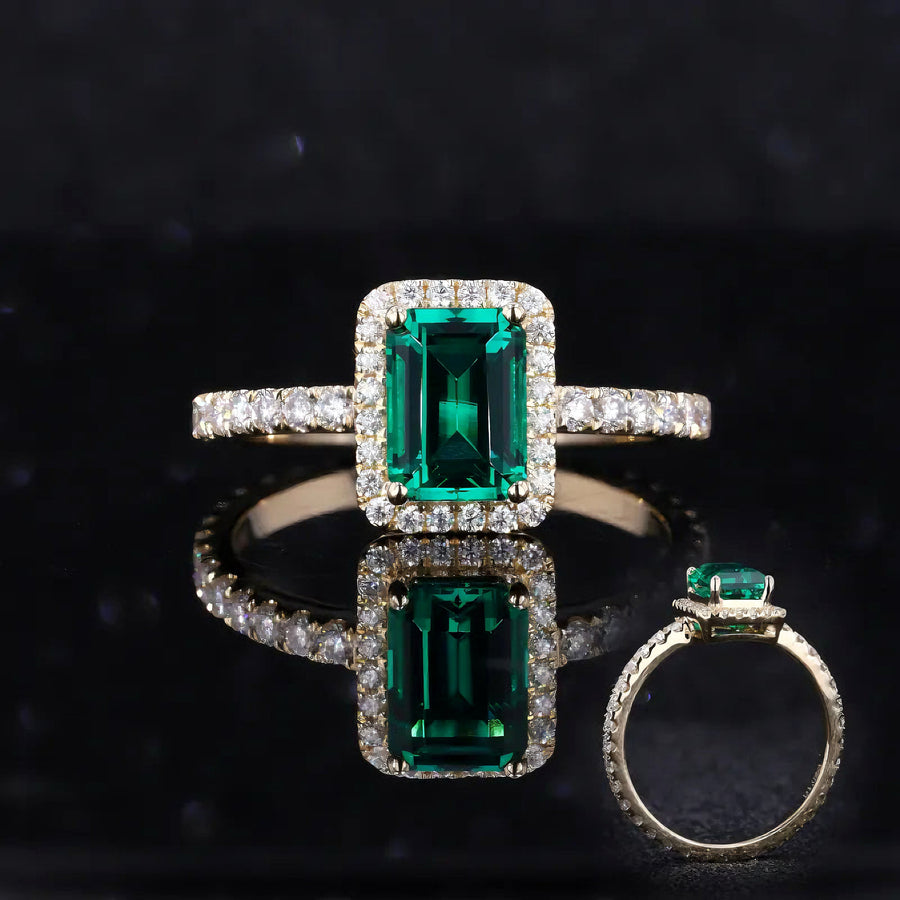
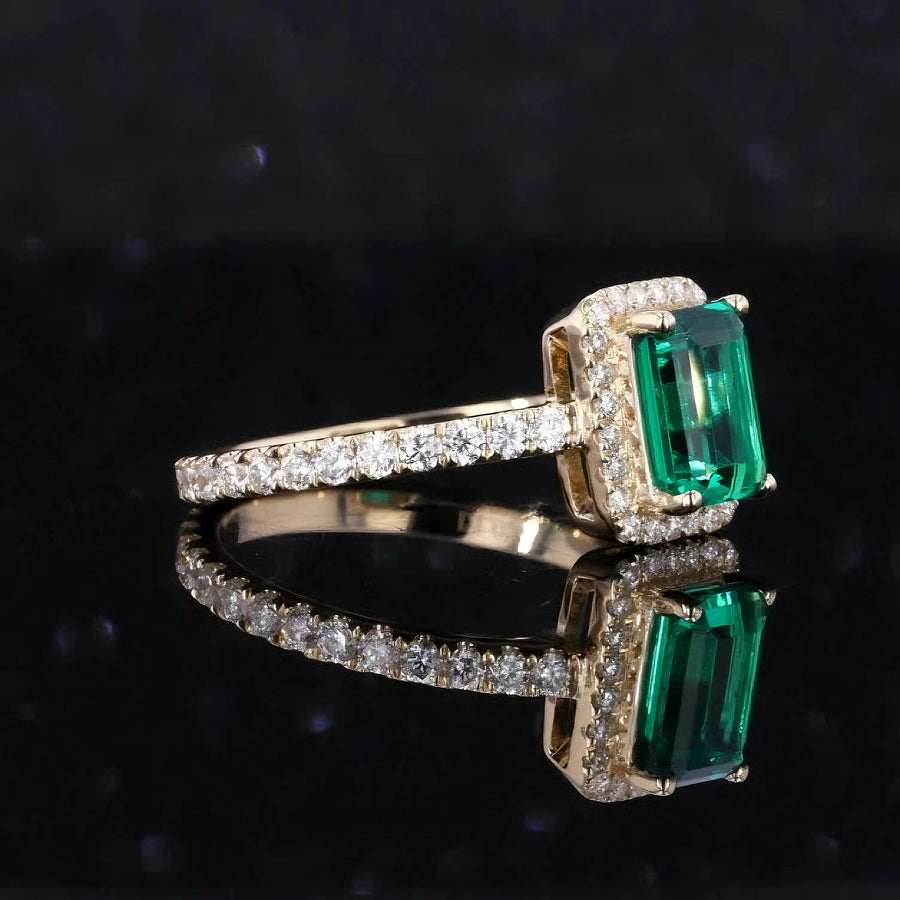
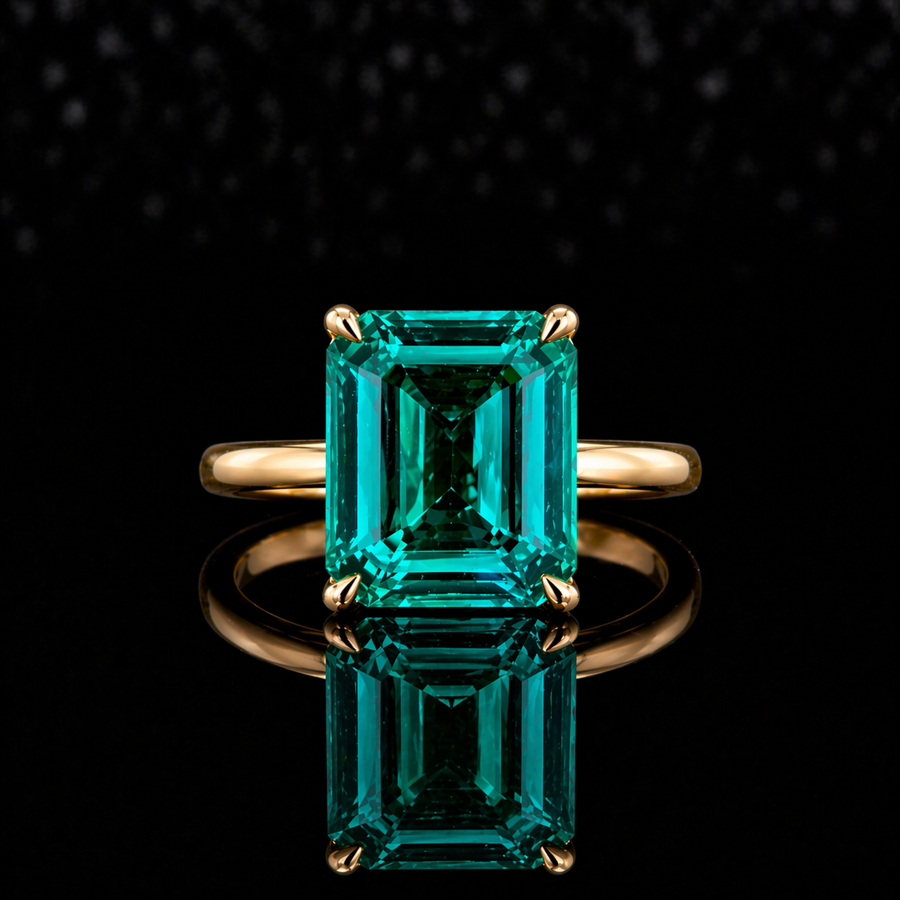
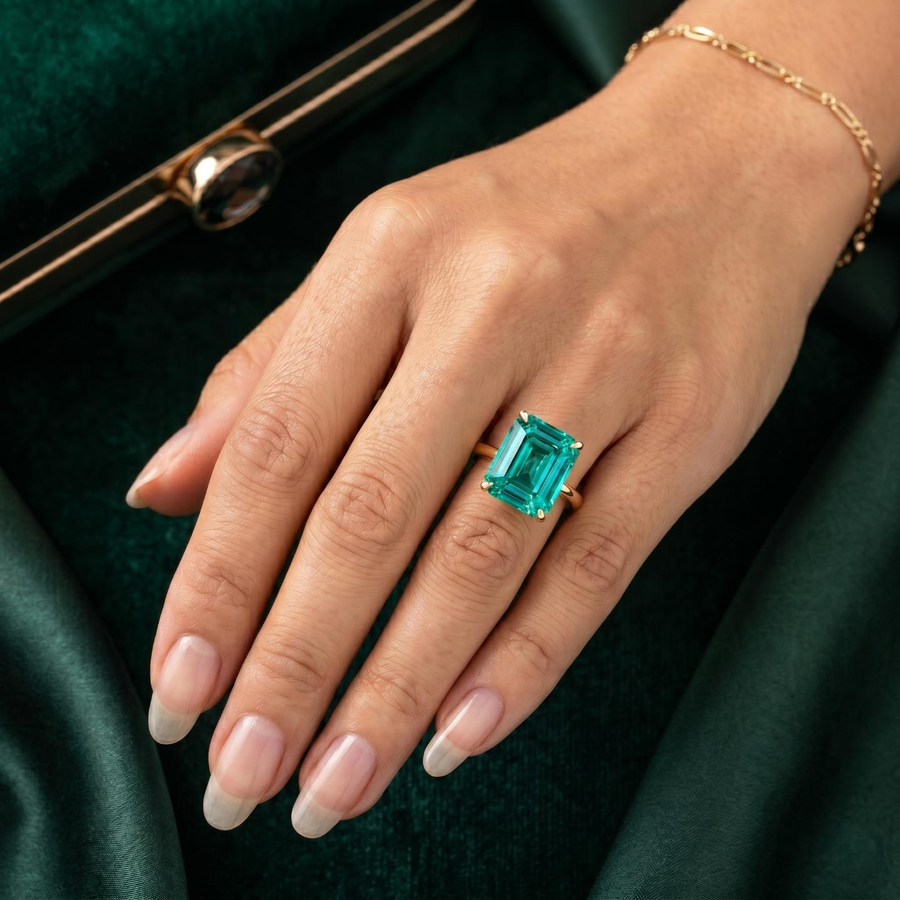
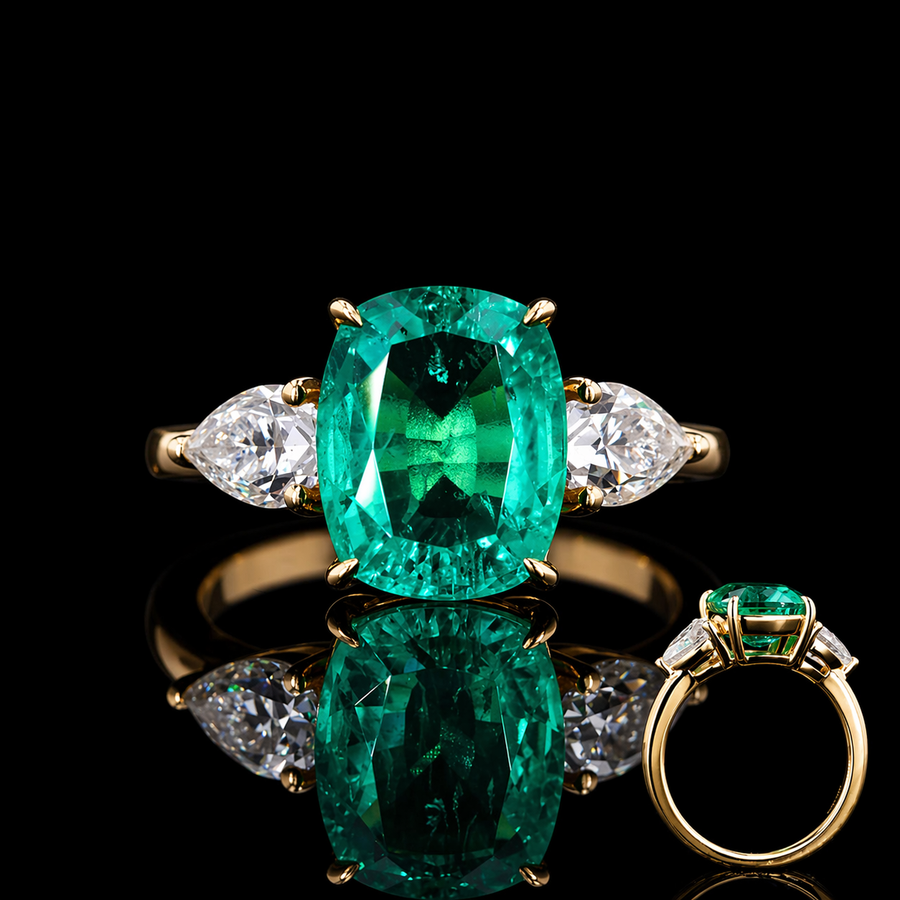
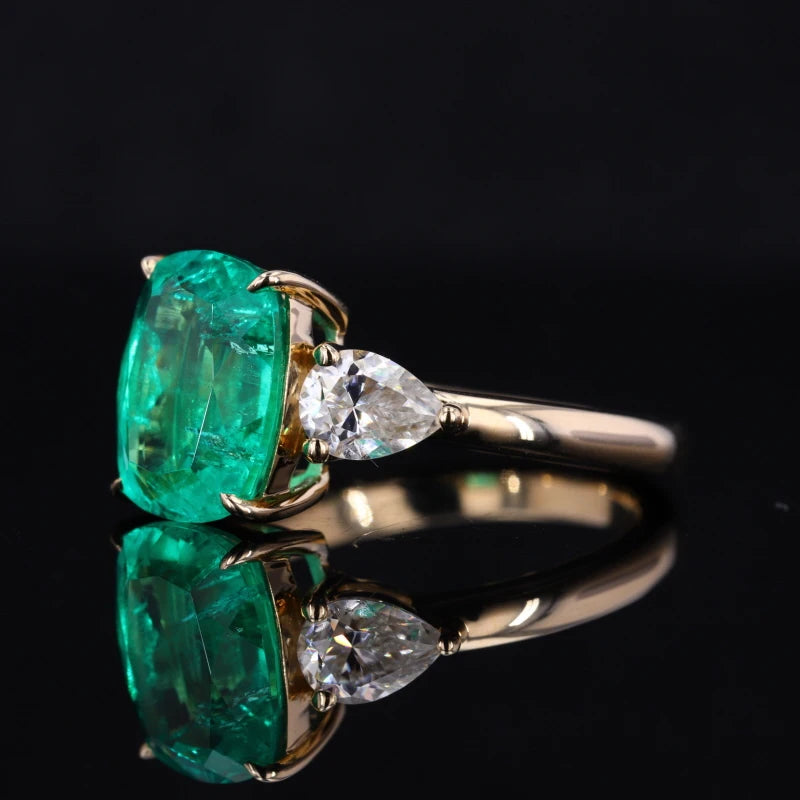
Emerald cut, the classics
Halos, three-stones and bezels, all in the cut emerald was made for.

III · Bands
Green, all the way around
The eternity bands we're known for, in Colombian and Zambian green.
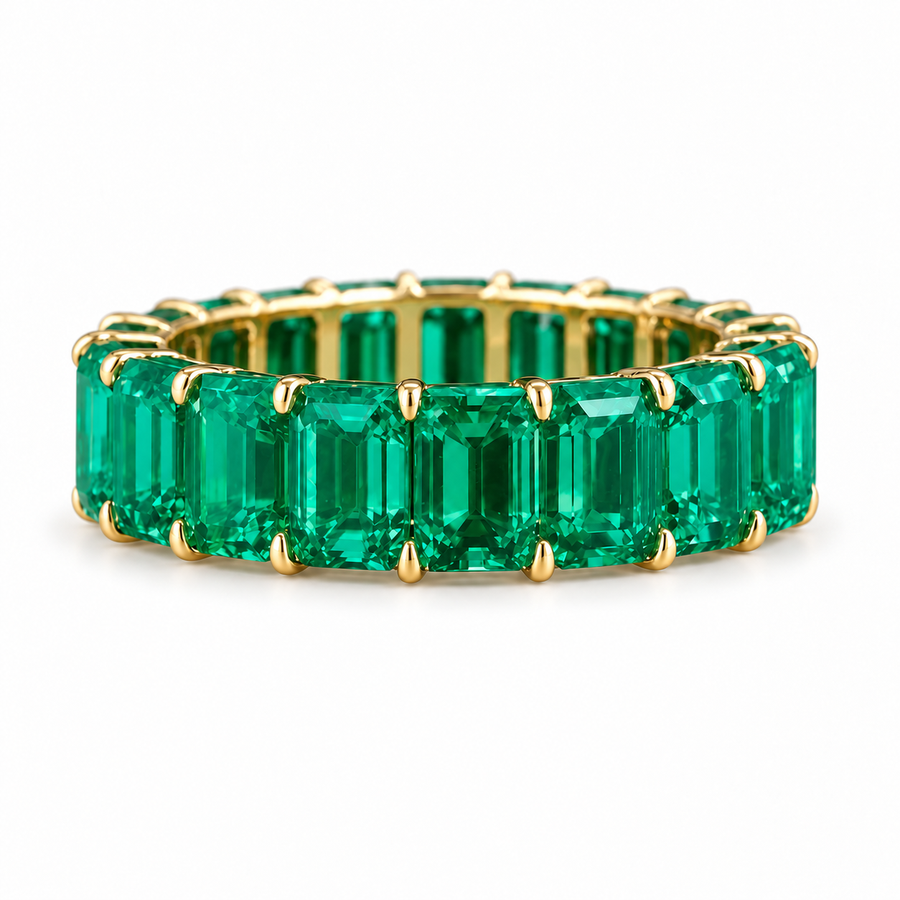
 Colombian Emerald Eternity Band (6mm, 8.8ctw)
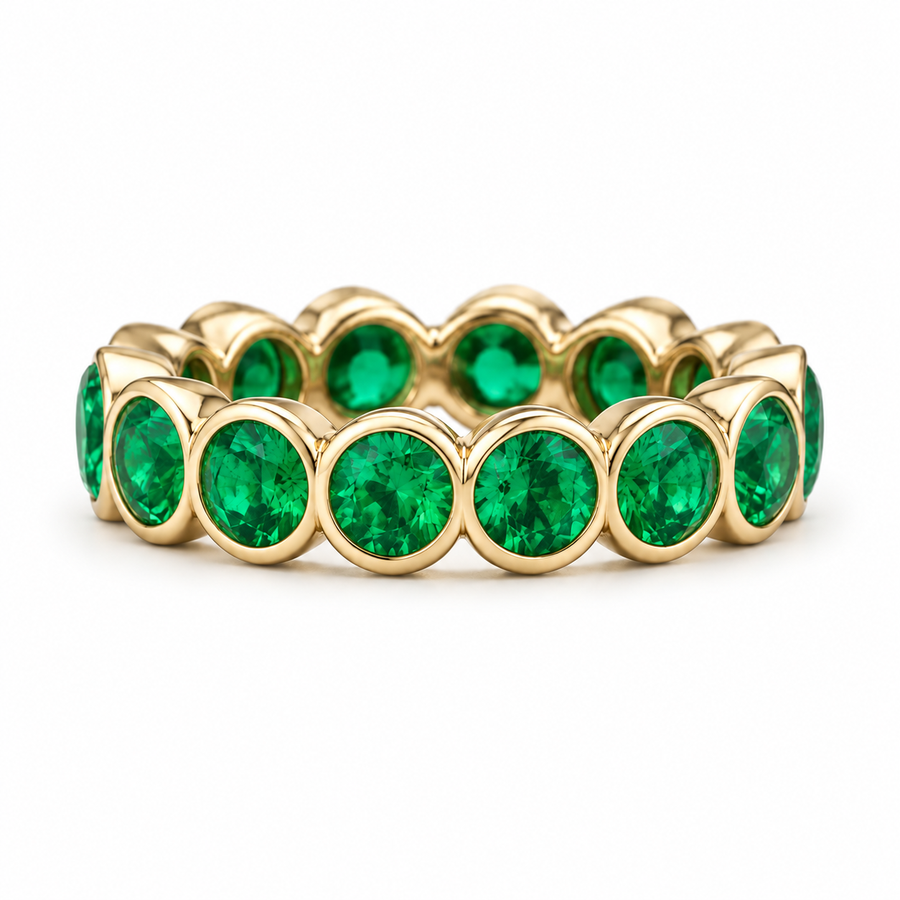
 Round Colombian Emerald Bezel-Set Eternity Band (3.2mm, 1.50ctw)
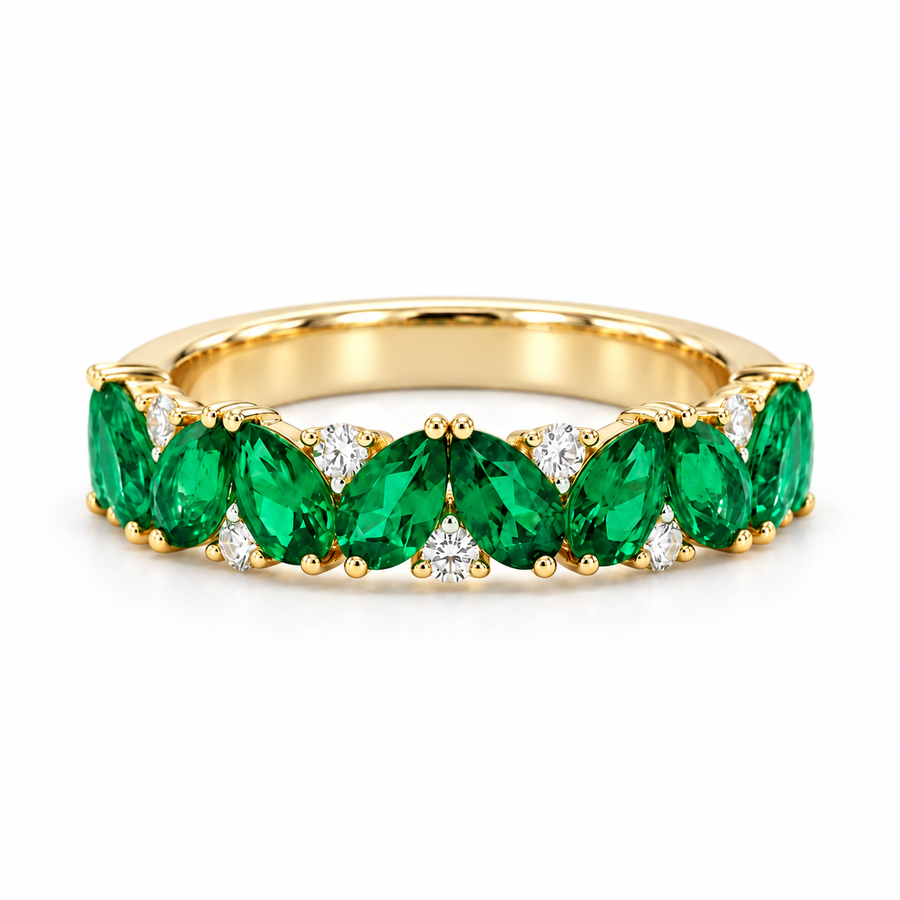
 Emerald & Diamond Pear-Cut Eternity Ring in Solid Gold (4mm, 2.88ctw)
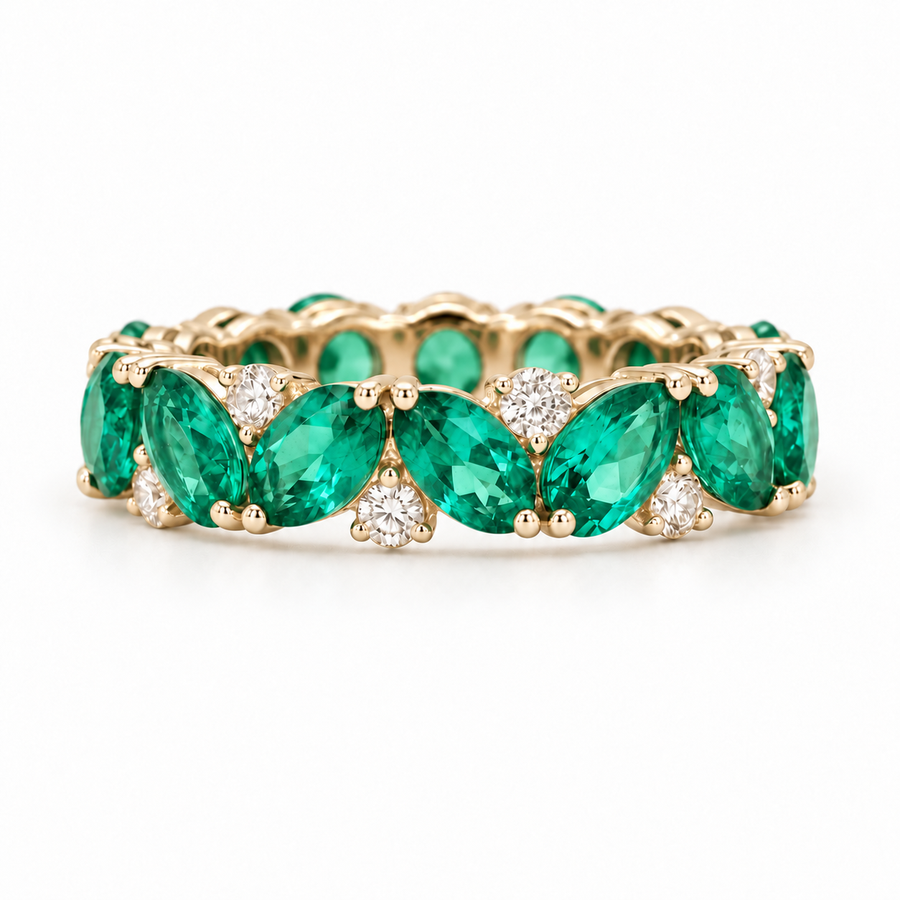
 Pear Colombian Emerald & Round Diamond Eternity Band (3.5mm, 1.78ctw)
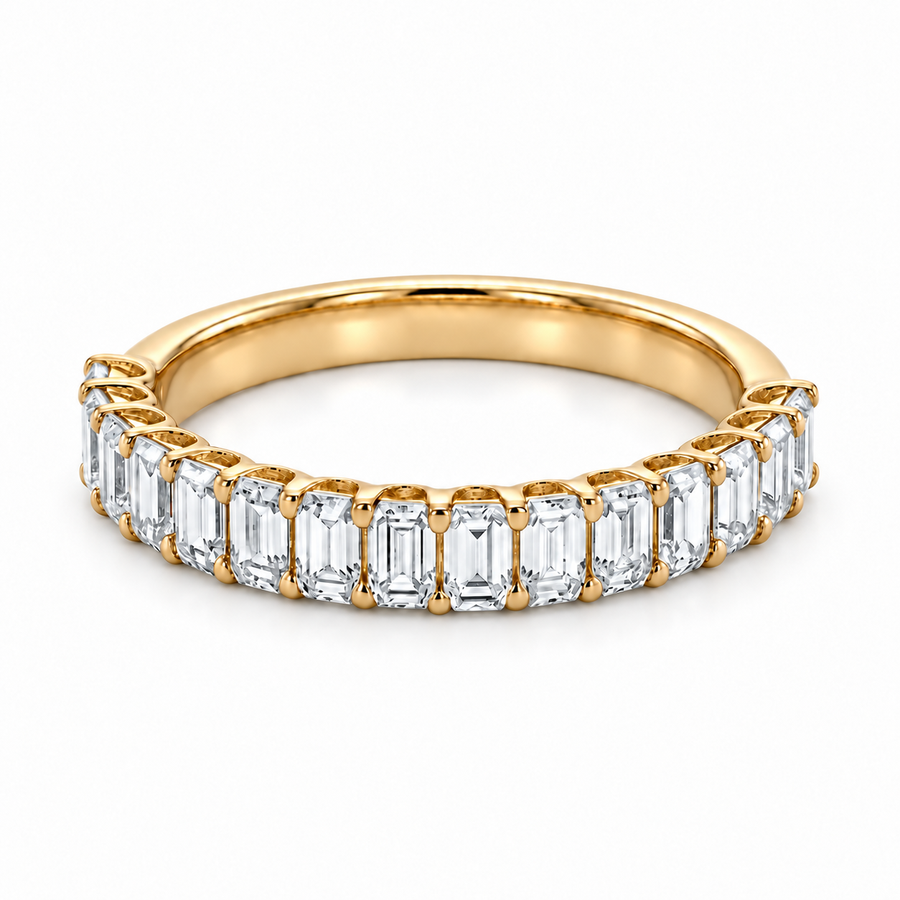
 1.50ctw Emerald Diamond Half-Eternity Band (2.5mm)
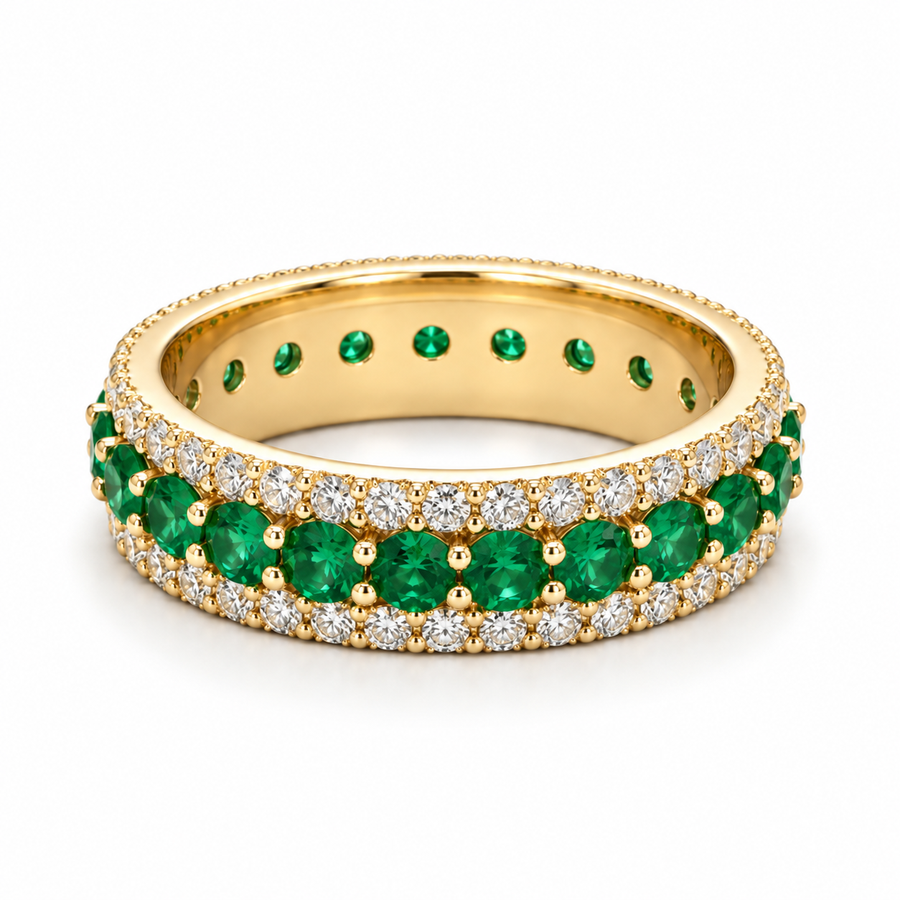
 Colombian Emerald & Diamond Eternity Band (4mm, 2.50ctw)
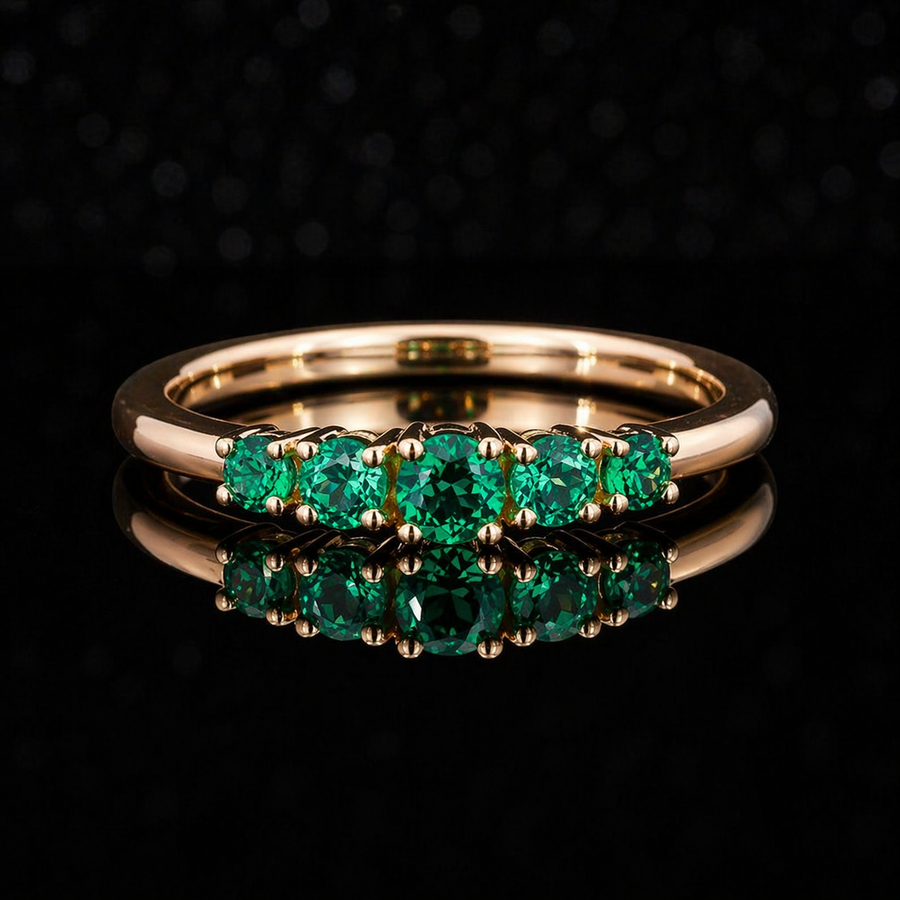
 Round Colombian Emerald 5-Stone Ring in 14K Gold (3.5mm, 0.80ctw)
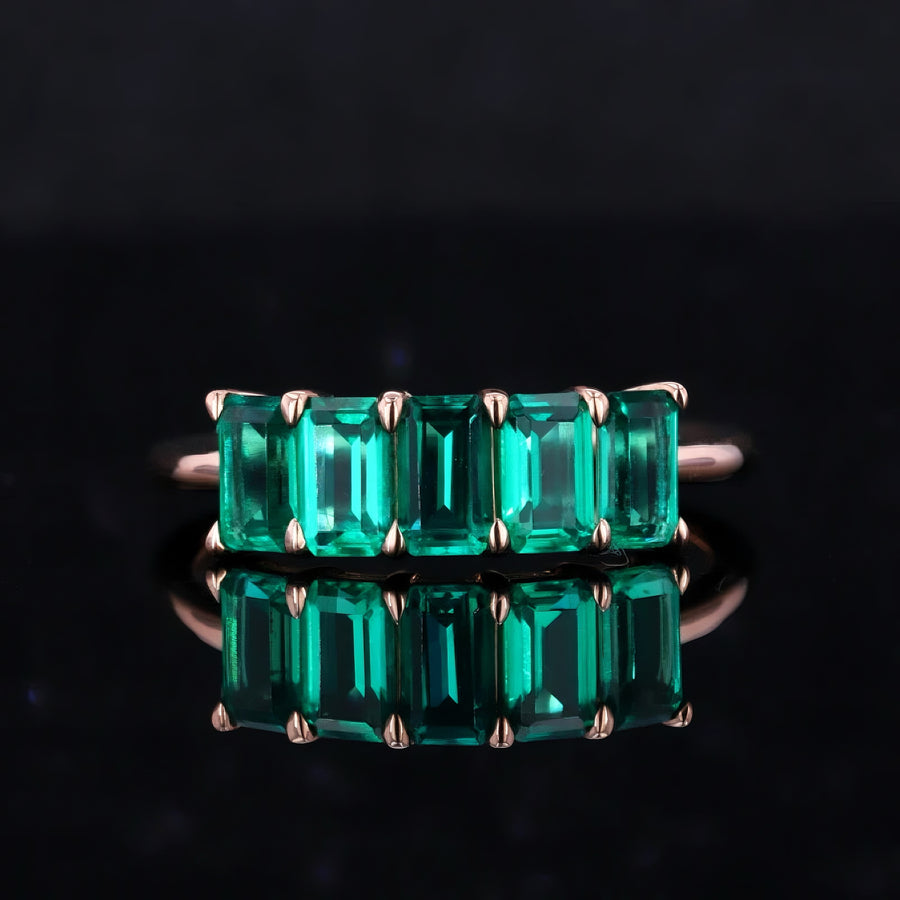
 Zambian Emerald Five-Stone Ring (3x5mm, 1.20ctw)
IV · Pendants & earrings
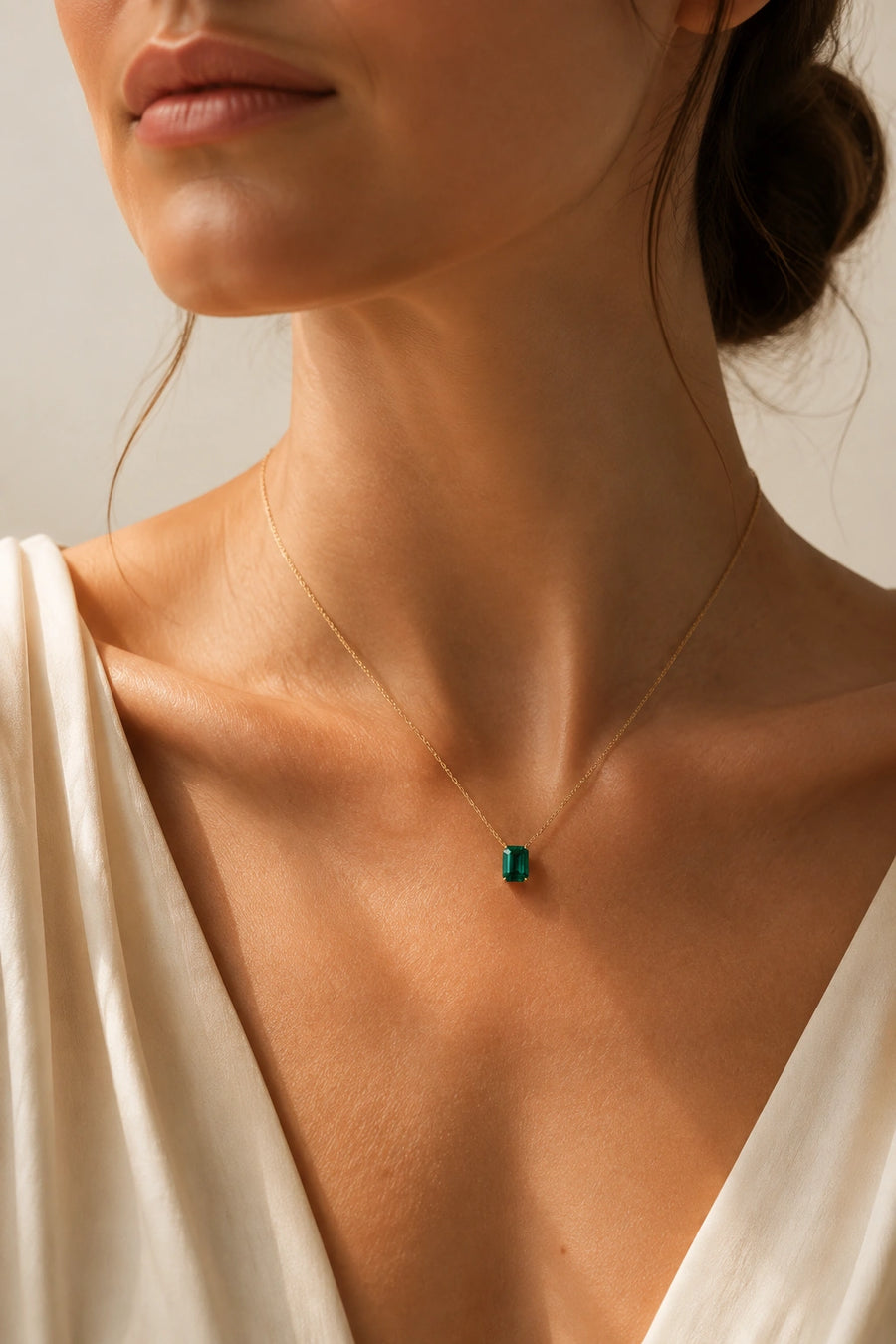
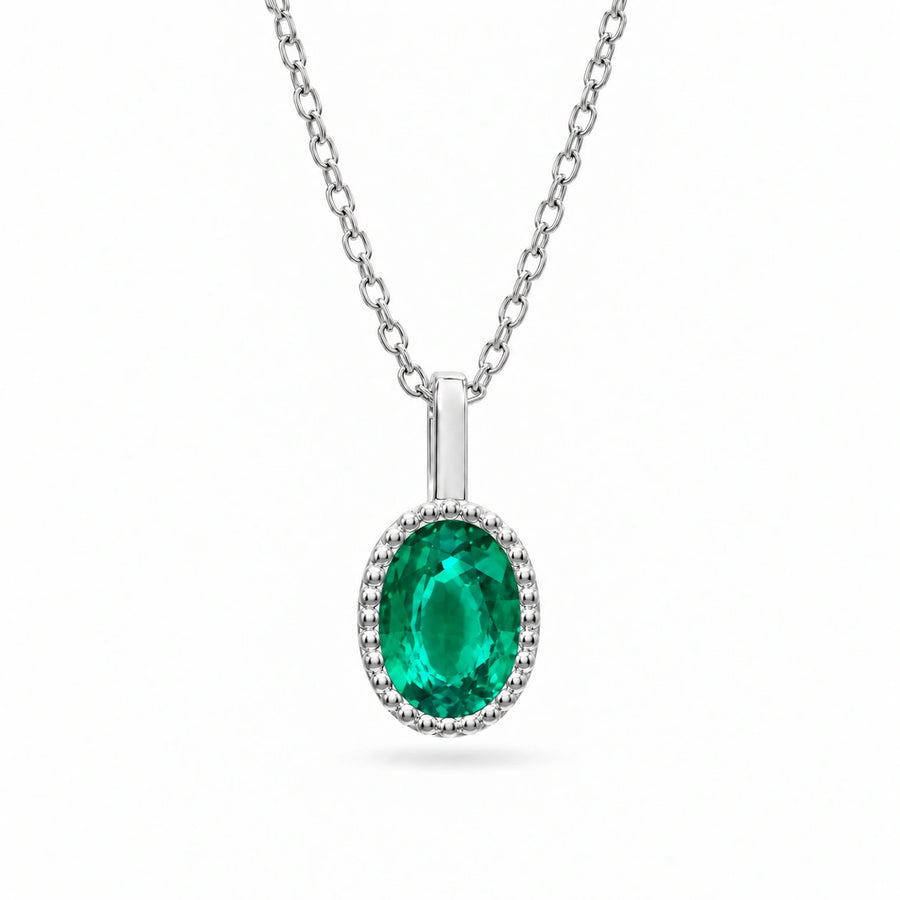
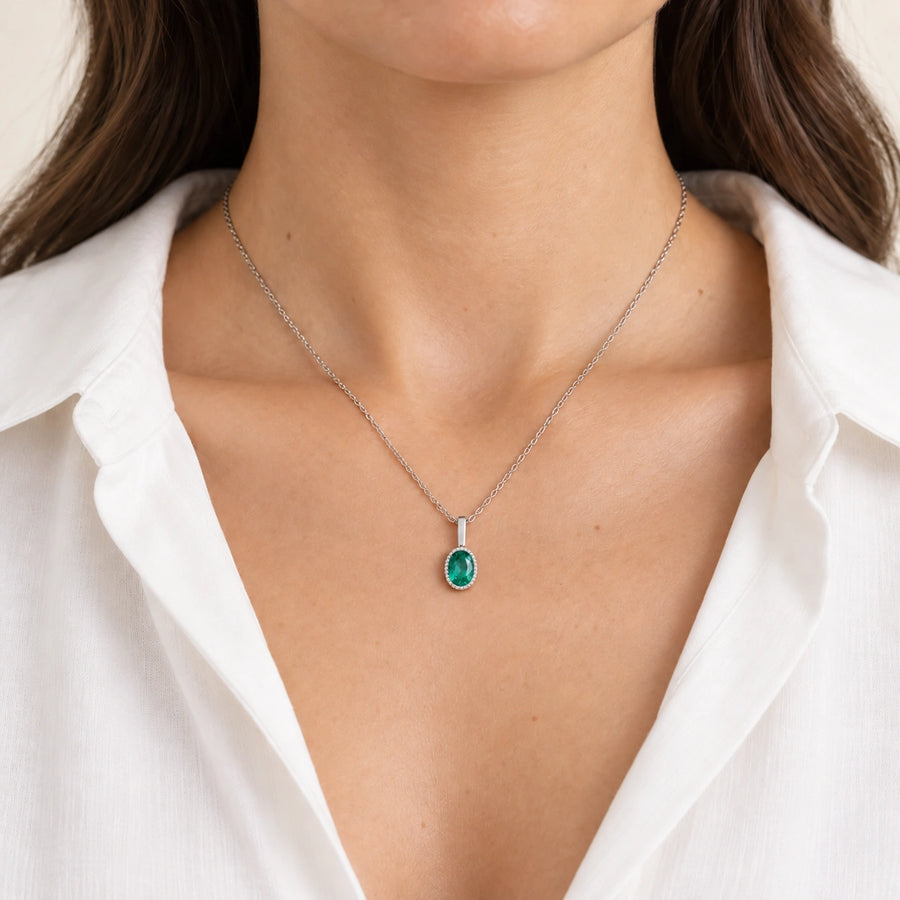
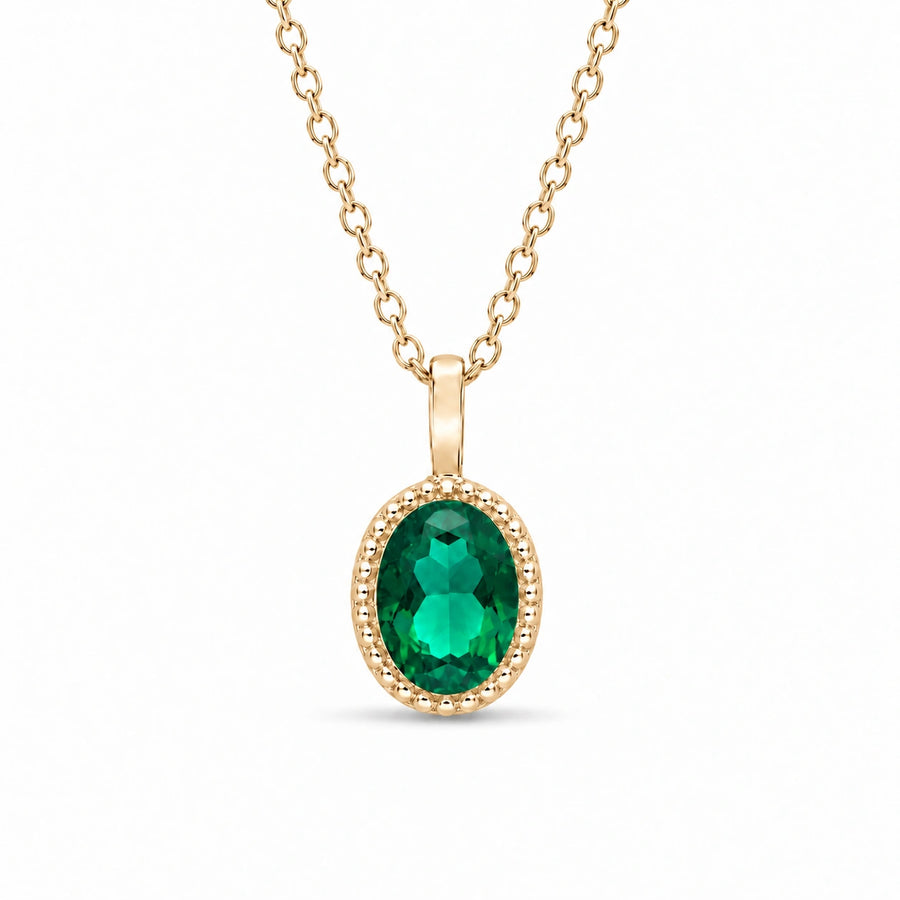
Worn close, in the same green
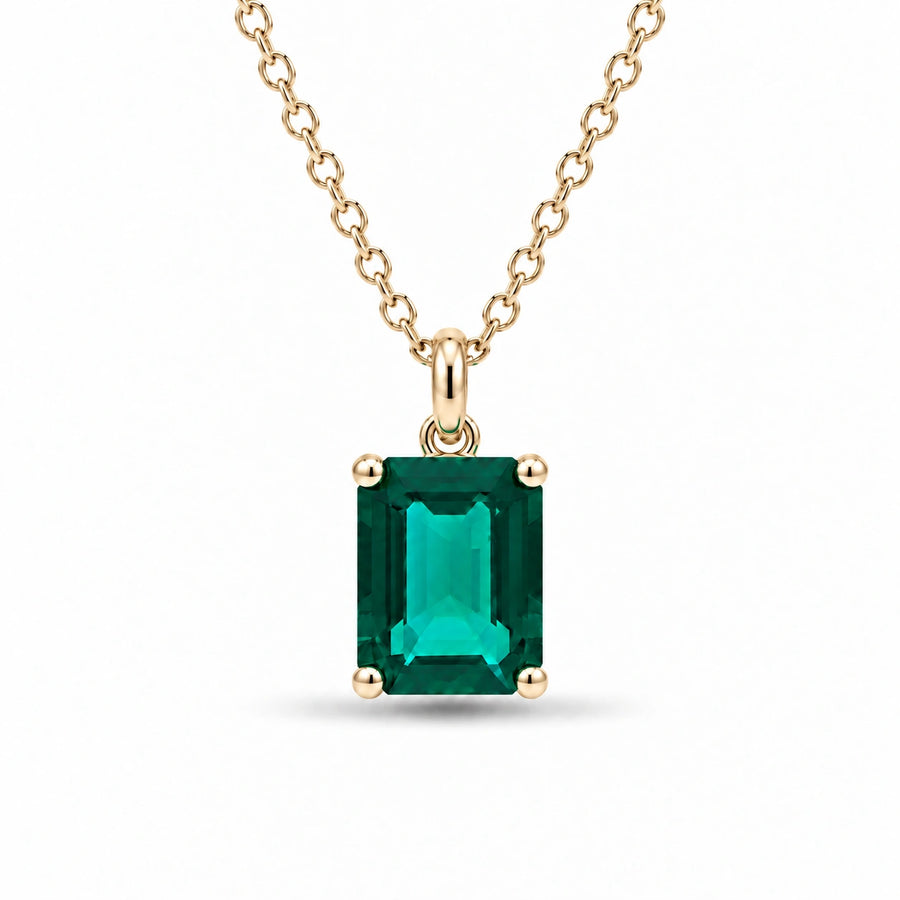
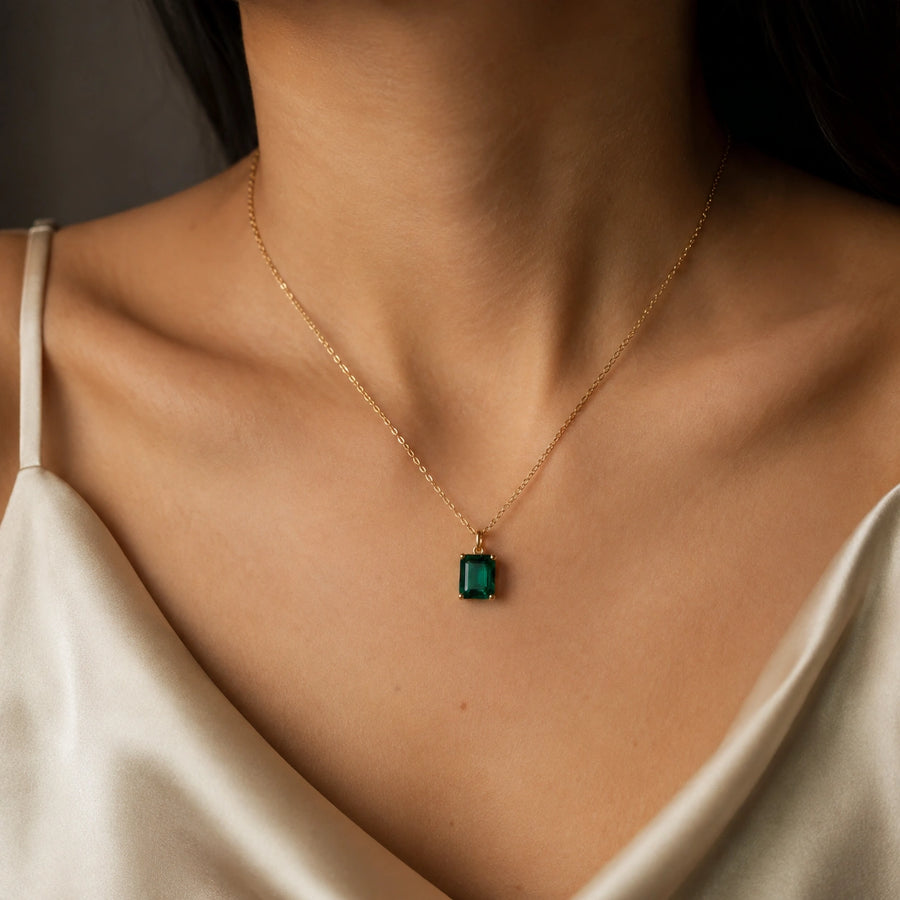
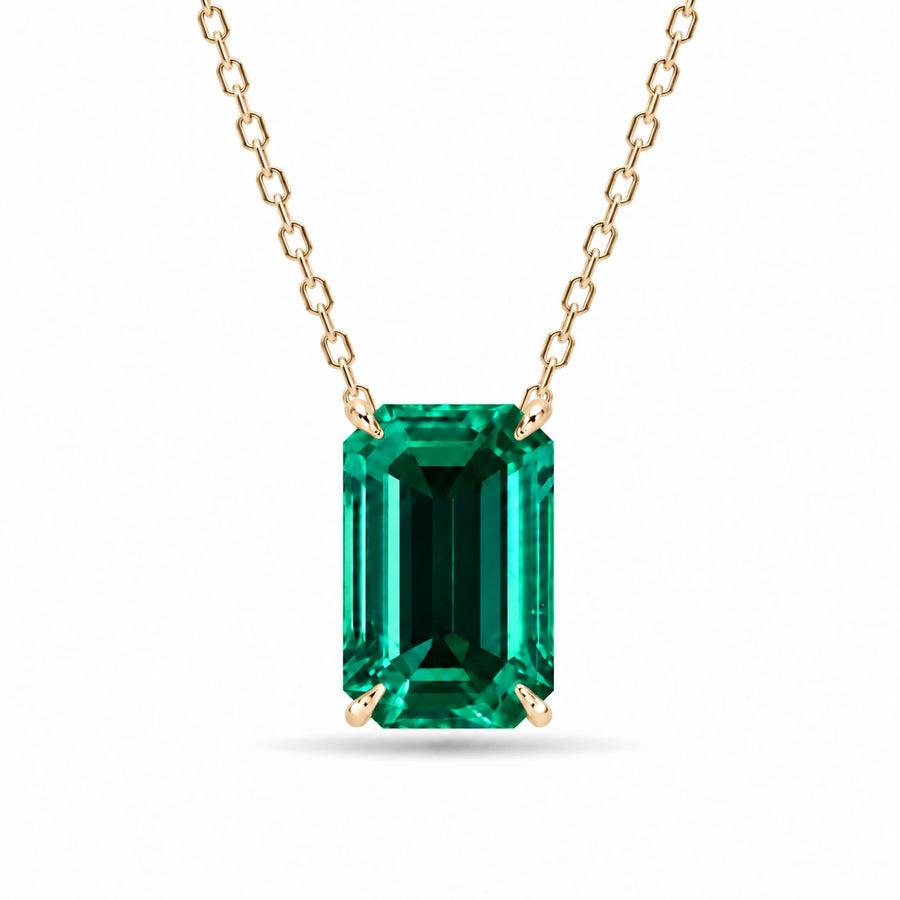
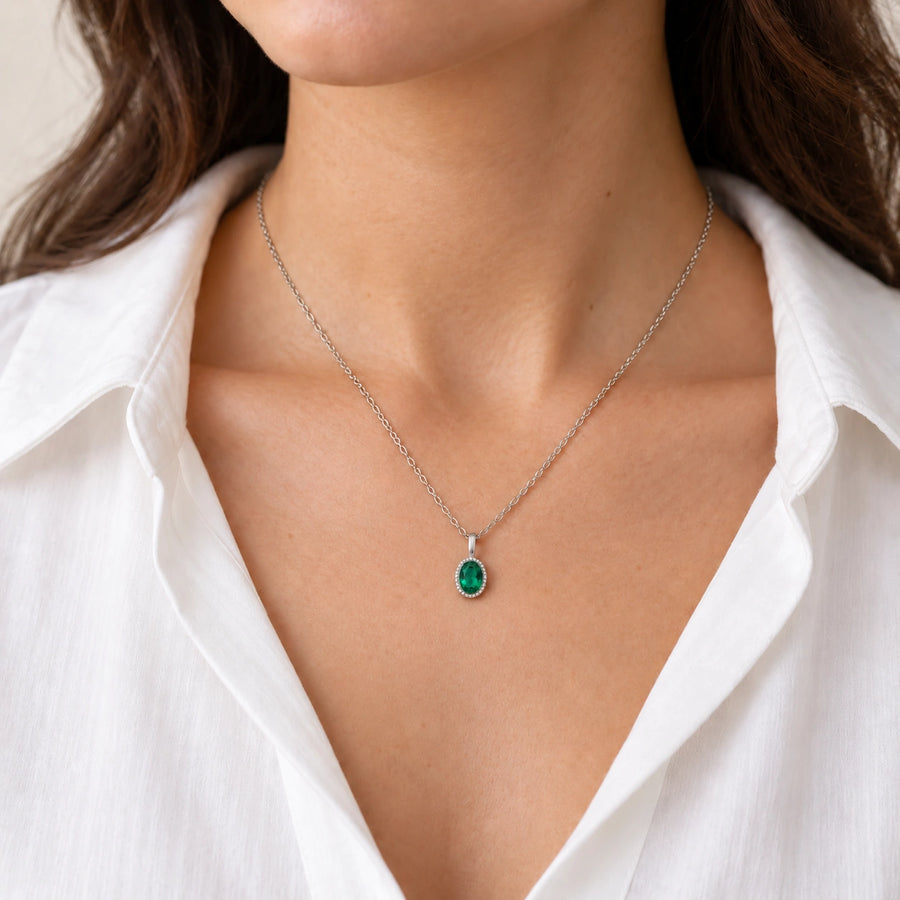
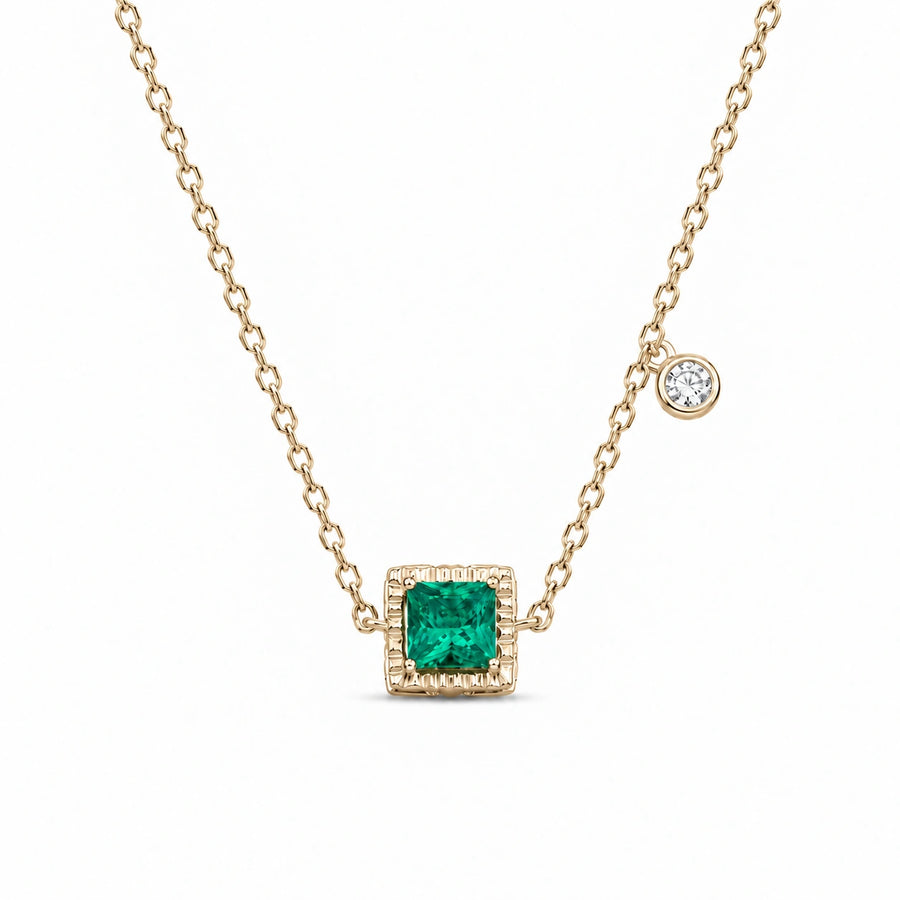
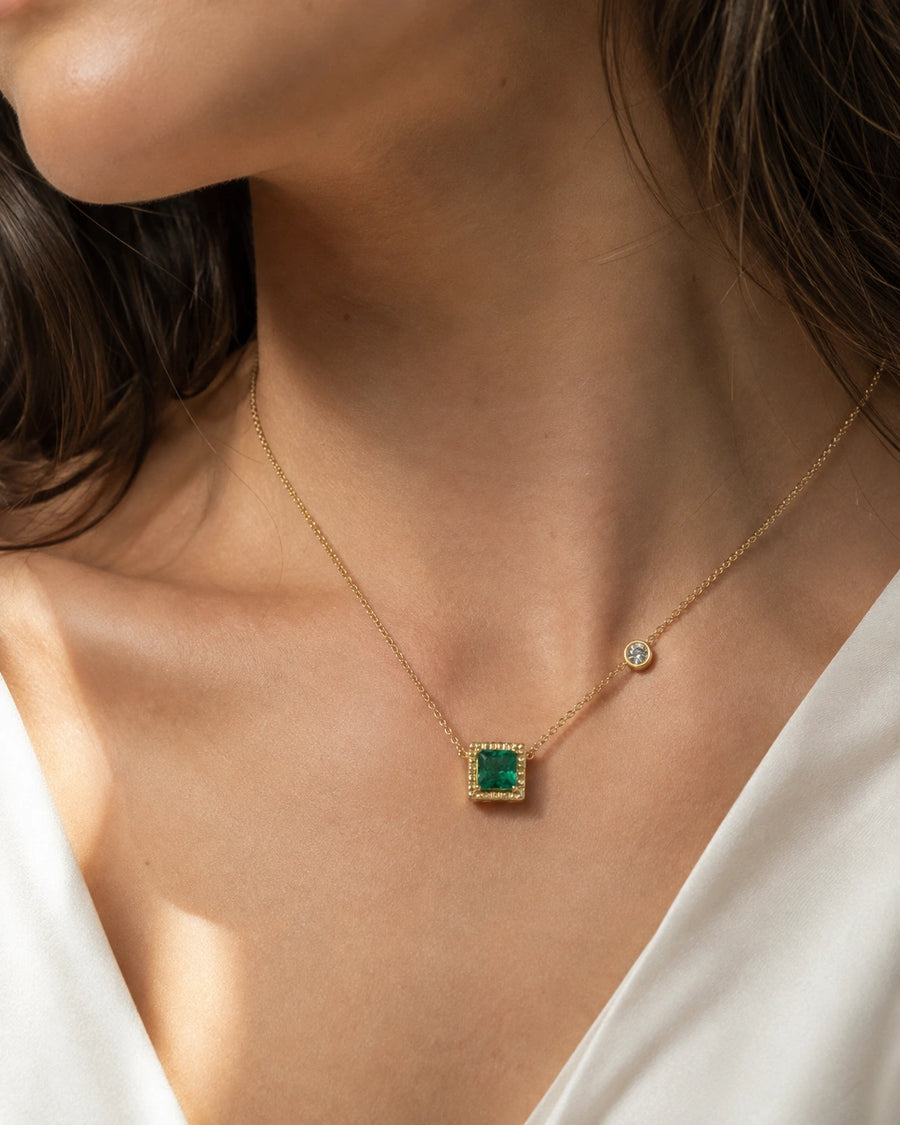
The pieces that finish the set: a pendant and studs in the green of your ring.

Emerald, plainly
Lab-grownAll of our emeralds are lab-grown. Colombian and Zambian describe the colour: Colombian is brighter, Zambian is deeper.
AGL reportEvery emerald comes with an AGL gemstone report.
Looked afterLifetime craftsmanship warranty. If a stone ever comes loose, we send you a replacement stone.
Shipped freeFree worldwide shipping, fully insured, in the Luther's Brown Box.
Set by hand, stone by stone
Every ring is made to order at our bench. Each emerald is chosen by eye, then set by hand.
— with love, the Luther's family
Want your setting in emerald? We'll make it.
We've set emeralds in most of our settings. Tell us which one you love.